Good water is one of those things you rarely think about until something seems wrong. Maybe there’s an odd taste in your morning coffee, white residue around the faucets, or a faint chlorine smell when you fill a glass. Sometimes the problem is obvious. Other times, your water looks perfectly clear but still contains minerals, chemicals, or other impurities you’d rather not have around.
That’s where a properly selected home water treatment system can make a noticeable difference. The trick is understanding that not every water problem needs the same solution. Filtration, softening, and purification technologies each have a different job, and choosing the right combination starts with understanding what’s actually in your water.
Why Water Quality Can Vary From Home to Home
Water quality depends on where your water comes from and how it reaches your house. Municipal water supplies are treated before distribution, but the water can still pick up tastes, odors, or trace substances as it travels through pipes. Well water has its own challenges, including hardness, iron, manganese, sediment, and naturally occurring minerals.
Even two houses on the same street can experience slightly different water issues because of plumbing, pipe age, household usage, or local conditions. That’s why a water test is often more useful than simply buying the most expensive filter on the shelf.
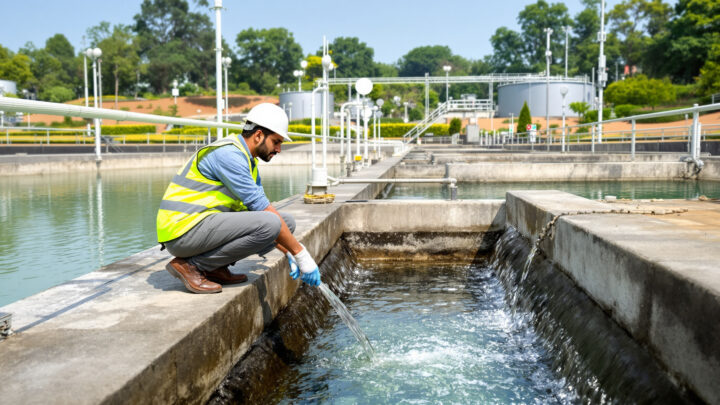
A basic water assessment can identify hardness, chlorine levels, sediment, pH, iron, and other characteristics. Once you know the problem, choosing a treatment becomes much less of a guessing game.
What Whole-Home Filtration Actually Does
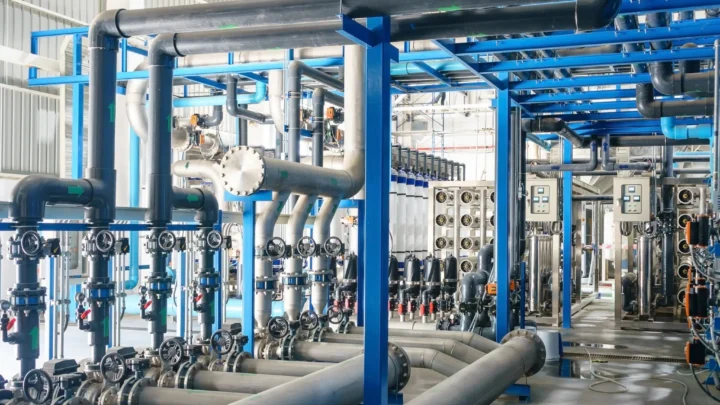
A good whole home water filtration system treats water as it enters the property, rather than filtering only the water from one kitchen tap. Depending on the design, these systems can reduce sediment, chlorine, unpleasant odors, and certain other contaminants.
That can be especially convenient for larger households. You aren’t limited to filtered drinking water. Water used for cooking, bathing, laundry, and cleaning can also receive treatment.
Still, filtration isn’t a magic wand. A filter designed to reduce chlorine won’t necessarily remove hardness minerals, and a sediment filter isn’t intended to solve every chemical or biological concern. The filtration media and system design need to match the actual water conditions.
When Hard Water Becomes a Household Problem
Hard water is common in many areas and usually contains elevated amounts of calcium and magnesium. It isn’t necessarily unsafe to drink, but it can be frustrating to live with.
You might notice mineral deposits on shower doors, cloudy glassware, scale inside appliances, or soap that doesn’t lather particularly well. Over time, mineral buildup can also affect water-using equipment.
This is where water softening becomes useful. A traditional water softener exchanges hardness minerals for sodium or potassium ions, helping reduce scale formation throughout the plumbing system. Softer water can make cleaning easier, improve soap performance, and help protect appliances such as water heaters and dishwashers.
The right size matters, too. A system that’s too small may struggle during periods of heavy household use, while an unnecessarily large unit can mean paying for capacity you don’t need.
Why Reverse Osmosis Is Popular for Drinking Water
Some homeowners want a higher level of purification specifically for drinking and cooking water. That’s where reverse osmosis has earned its reputation.
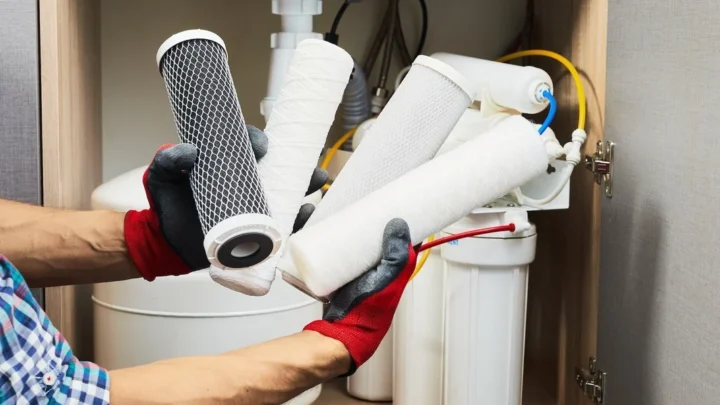
RO systems use a semi-permeable membrane to reduce a broad range of dissolved substances from water. They’re commonly installed under the kitchen sink, where they can provide purified water without treating every gallon used throughout the home.
One important detail gets overlooked, though: reverse osmosis produces treated drinking water, but it isn’t automatically the right answer for every household water problem. RO systems can also produce wastewater and require filter and membrane replacement. In other words, they work best when selected for a specific purpose rather than treated as a universal solution.
Filtration and HVAC: Two Different Parts of Home Comfort
Water quality isn’t the only thing that deserves regular attention. Your home’s heating and cooling equipment also works quietly in the background until something goes wrong.
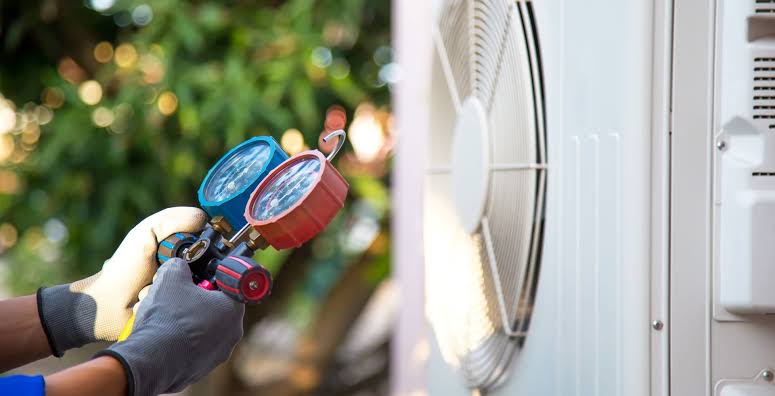
Regular AC maintenance can help keep an air-conditioning system operating efficiently, while timely AC repair can address problems before a small fault becomes an expensive breakdown. Water treatment and HVAC care are completely different services, of course, but both are part of sensible home maintenance.
For larger repairs, installation work, or ongoing service, homeowners generally benefit from working with a trusted HVAC company that understands the equipment in the property rather than simply offering the cheapest quote.
Choosing the Right Combination for Your Home
There isn’t one perfect water treatment setup for everyone. A household with heavy hard-water problems may benefit most from a softener. Another home might need sediment and chlorine filtration. Someone concerned primarily with drinking-water quality may find an under-sink RO system more practical.
In some cases, combining technologies makes sense. For example, a whole-home filter can address general water quality while a softener manages hardness and an RO system provides purified water at a kitchen drinking station.
The important part is sequencing the equipment correctly and maintaining it. Filters need replacement, softeners require servicing, and RO membranes eventually lose effectiveness. A neglected treatment system can perform far below its potential.
A Small Investment in Everyday Comfort
Clean water isn’t just about what comes out of a drinking glass. It touches almost every part of daily life, from morning showers and laundry to cooking, cleaning, and protecting appliances.
The best approach is surprisingly simple: test your water, identify the actual problems, and choose treatment technology based on those results. Don’t pay for features you don’t need, but don’t expect one basic filter to solve five different water-quality issues either.
With the right system and regular maintenance, better water can become one of those improvements you stop noticing — because everything simply works the way it should. And honestly, that’s often the best sign that you’ve made the right choice.