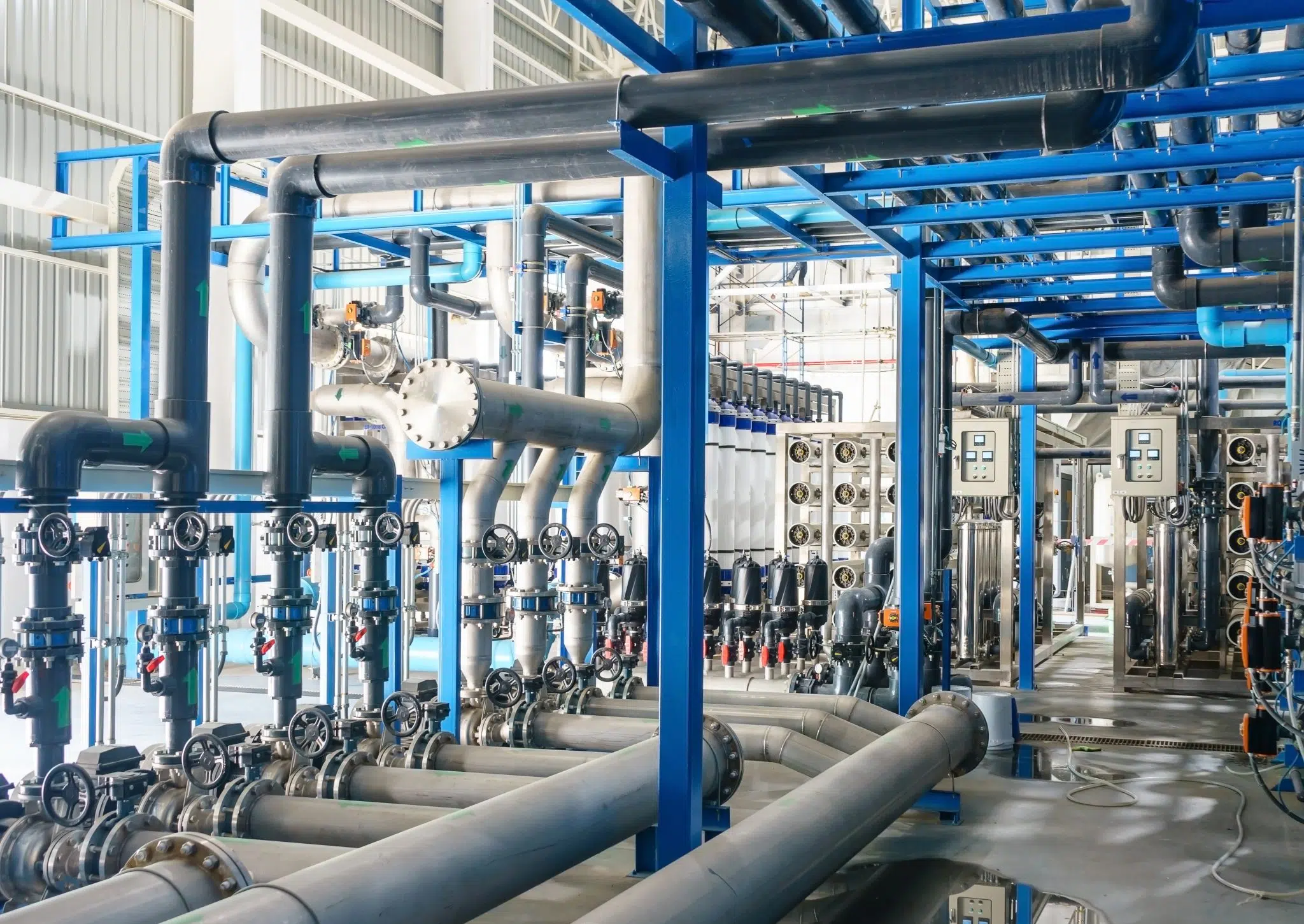
A water treatment system is often one of those home investments people appreciate most when it is working quietly in the background. It helps improve water quality, protect plumbing, reduce unpleasant tastes, and make everyday routines more comfortable. But like any other household equipment, it cannot perform well forever without a little attention.
Many homeowners install a filter, softener, or reverse osmosis unit and assume the job is finished. In reality, proper water treatment system maintenance is what keeps the equipment effective over time. Regular checks, timely filter replacement, and occasional professional servicing can prevent small issues from turning into expensive repairs.
The good news is that maintenance does not have to be complicated. With a basic understanding of the system and a practical schedule, homeowners can protect their investment and enjoy more consistent water quality.
Why Regular Maintenance Matters
Water treatment equipment works continuously, often handling hundreds of gallons every week. Filters collect sediment, carbon media become exhausted, membranes gradually lose efficiency, and moving parts may experience wear. Even systems that appear to be functioning normally can become less effective when maintenance is ignored.
A neglected system may show several warning signs. Water flow can slow down, unusual tastes may return, pressure may drop, or stains may begin appearing again on fixtures. In some cases, leaks develop around fittings or housings. Waiting until a system stops working completely can make repairs more expensive and disrupt household routines.
Routine maintenance helps identify these concerns early. It also allows homeowners to confirm that the system is still suitable for current water conditions and household usage.
Start with the Manufacturer’s Schedule
Every water treatment system has different maintenance requirements. A sediment filter may need replacement every few months, while a carbon cartridge could last longer depending on water quality and consumption. Reverse osmosis membranes may last for years under suitable conditions, but their pre-filters usually need more frequent replacement.
The manufacturer’s instructions should be the starting point. These guidelines typically explain how often filters should be changed, how tanks or housings should be cleaned, and which parts need inspection.
However, the recommended schedule is not always a fixed rule. A busy household may use more water than the average customer, while water with high sediment or chlorine levels may exhaust filter media faster. If water quality changes, maintenance intervals may need to be adjusted.
Keeping a written record of installation dates and replacement dates is a simple way to avoid forgetting important tasks. A phone reminder or calendar alert can help, especially for systems with several components.
Inspect Filters and Cartridges Regularly
Filters are among the most important parts of a water treatment system. They remove or reduce specific substances, but their capacity is limited. Once a cartridge becomes saturated, it may no longer perform as intended.
Sediment filters can become clogged with dirt, rust, sand, and other particles. A clogged filter often causes reduced water pressure or slower flow. Carbon filters may not show obvious physical changes when they are exhausted, which is why replacement should follow the recommended capacity or time period rather than appearance alone.
Homeowners should inspect filter housings for cracks, discoloration, leaks, or unusual buildup. Before opening a housing, shut off the water supply and release pressure according to the system instructions. A small amount of water may spill during replacement, so keeping a towel or shallow container nearby is useful.
Never delay replacement simply because the water still looks clear. Many contaminants cannot be seen, and filter performance may decline without visible warning.
Caring for Reverse Osmosis Systems
Reverse osmosis systems require special attention because they use several stages of filtration. A typical unit may include a sediment filter, carbon pre-filters, a membrane, a storage tank, and a post-filter.
The pre-filters protect the membrane from sediment and chlorine. If they are not replaced on time, the membrane may become damaged or lose efficiency. The RO membrane itself should be evaluated based on water quality, production rate, and the manufacturer’s guidance.
A noticeable drop in water flow, changes in taste, or a constantly running system may indicate that maintenance is needed. The storage tank’s pressure should also be checked when appropriate, as incorrect pressure can affect how much treated water is available at the faucet.
Sanitizing the system periodically is another important step. The process should follow the manufacturer’s instructions, since different systems have different components and procedures. If you are unsure, professional service is safer than experimenting with cleaning chemicals or incorrect methods.
When Renting a Water Treatment System Makes Sense
Not every homeowner wants to purchase treatment equipment outright. For renters, temporary residents, or households managing a limited budget, water treatment system rentals may offer an alternative.
Rental arrangements can make it easier to access equipment without paying the full purchase price upfront. Depending on the provider, the agreement may include installation, servicing, filter replacement, or repairs. This can be convenient for people who prefer predictable monthly costs or do not want to manage technical maintenance themselves.
Still, rental terms should be reviewed carefully. Ask about contract length, cancellation fees, maintenance responsibilities, damage charges, service response times, and ownership options. Some agreements may include maintenance, while others may charge separately for certain parts or visits.
Renting can be practical, but it is important to compare the total long-term cost with the cost of purchasing a system. A low monthly payment does not always mean the arrangement is less expensive overall.
Recognizing When an Upgrade Is Necessary
Sometimes maintenance is enough to restore performance. In other cases, the equipment may be outdated, undersized, or no longer suitable for the household’s water needs. Changes in water quality can also create new treatment requirements.
For example, a family may use more water after adding another bathroom or moving additional residents into the home. An older system may struggle to keep up with demand. New water test results might also reveal contaminants that the existing equipment was never designed to address.
This is where system trade-ins & upgrades can become useful. Some water-treatment providers offer programs that allow homeowners to replace older equipment with newer models, sometimes providing a credit toward the upgrade. These programs may make it easier to improve efficiency, add new treatment stages, or replace equipment that is becoming difficult to service.
Before upgrading, ask whether the current system can be repaired or resized. A replacement should be based on actual needs, not simply the age of the equipment. It is also wise to compare energy use, water waste, maintenance costs, warranty coverage, and replacement-part availability.
Professional Servicing Has Its Place
Homeowners can handle basic tasks such as checking for leaks, recording filter changes, and replacing accessible cartridges. More complicated work may require a trained technician.
Professional servicing can include testing water pressure, checking valves, inspecting electrical components, measuring system performance, sanitizing equipment, and evaluating the condition of membranes or media tanks. These checks are particularly important for whole-house systems, UV disinfection units, and equipment connected to complex plumbing.
A qualified technician can also identify problems that may not be obvious, such as incorrect flow rates, poor drainage, damaged seals, or treatment equipment that is no longer properly sized.
A Simple Maintenance Routine Protects Your Investment
A water treatment system can provide years of value, but only when it receives consistent care. Start by following the manufacturer’s schedule, replacing filters on time, inspecting visible components, and watching for changes in taste, pressure, or water flow.
For rented equipment, understand exactly what the service agreement includes. If the system is old or no longer meeting household needs, explore upgrade options based on testing and performance rather than sales pressure.
Good maintenance is not about constantly worrying over equipment. It is about creating a simple routine that prevents avoidable problems. With a little attention and professional help when needed, your water treatment system can continue delivering reliable performance, better water quality, and everyday peace of mind.