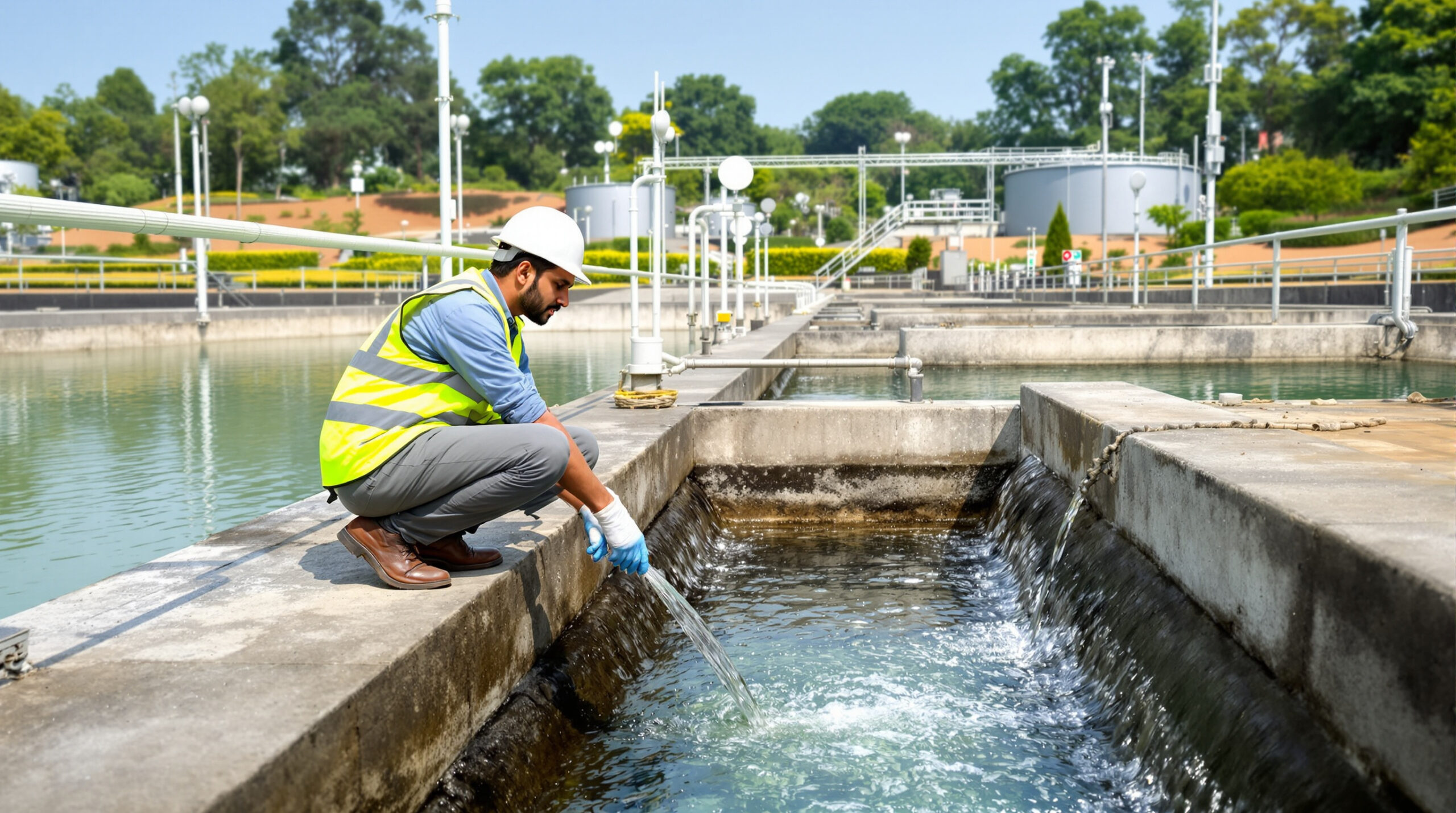
Water is easy to take for granted. We turn on a tap, fill a glass, wash equipment, or use water in a commercial process without giving much thought to what is actually flowing through the pipes. Yet water quality can affect almost everything from daily comfort and hygiene to equipment performance and public safety.
For homes, businesses, healthcare facilities, restaurants, schools, and industrial sites, water problems can create consequences that are far more serious than cloudy appearance or an unpleasant taste. Hardness, sediment, bacteria, chemical contaminants, and mineral buildup may all affect how water behaves and whether it is suitable for a particular purpose.
That’s where a well-designed treatment strategy becomes valuable. Instead of relying on guesswork or temporary fixes, property owners and facility managers can use testing, filtration, disinfection, and ongoing monitoring to maintain water that meets the needs of its intended use.
Understanding What Affects Water Quality
Water quality is not determined by appearance alone. Clear water may still contain dissolved minerals, microorganisms, heavy metals, or chemical residues. Likewise, water with a slight color or odor may point to a problem that needs investigation.
The source of the water makes a difference. Municipal supplies are generally treated before distribution, but conditions can still change as water travels through aging pipes, storage tanks, and building plumbing. Private wells may be affected by groundwater conditions, agricultural activity, septic systems, or naturally occurring minerals.
Rainwater and surface water can collect sediment, organic material, fertilizers, animal waste, and other pollutants. Even recycled process water requires careful management because contaminants can become more concentrated as water is reused.
Testing helps identify what is actually present. Depending on the situation, analysis may include pH, hardness, turbidity, dissolved solids, iron, manganese, chlorine, bacteria, nitrates, and other specific contaminants. Without this information, it is difficult to select an effective treatment method.
Why Professional Treatment Systems Make a Difference
Basic filters and household solutions can be useful for limited problems, but complex water concerns often require a more carefully designed approach. Professional treatment systems are developed around the source water, the required output quality, flow rates, and the way the water will be used.
For example, a restaurant may need treatment that supports consistent taste, protects dishwashing equipment, and reduces scale in water heaters. A manufacturing facility may require filtration and conditioning to protect boilers, cooling towers, or production machinery. A healthcare environment may have much stricter requirements because water quality can affect sanitation and patient safety.
Professional systems may include sediment filtration, activated carbon, water softening, reverse osmosis, ultraviolet disinfection, chemical dosing, or specialized media. Not every facility needs every technology. The objective is to create a balanced system that addresses actual risks without adding unnecessary complexity.
A properly designed system can also be more cost-effective over time. Equipment that is correctly sized and maintained tends to operate more efficiently, while poorly selected systems may waste water, require frequent repairs, or fail to remove the contaminants they were intended to target.
The Link Between Water and Equipment Performance
Water affects more than drinking and cleaning. In commercial and industrial settings, it is often part of the equipment itself.
Hard water can cause scale to form inside pipes, heating elements, boilers, coffee machines, dishwashers, and heat exchangers. This buildup acts like insulation, making it harder for equipment to transfer heat efficiently. Energy consumption may increase, and components can wear out sooner.
Sediment can block valves, clog filters, damage pumps, and reduce water flow. Corrosive water may gradually weaken metal surfaces, leading to leaks or costly repairs. In cooling systems, poor water chemistry can encourage scale, corrosion, and biological growth at the same time.
Water treatment helps reduce these risks by controlling the characteristics that cause damage. Softening may reduce hardness, filtration can remove suspended particles, and chemical conditioning may help maintain suitable water chemistry in specialized systems.
The benefits are often seen in small ways at first: fewer service calls, more consistent pressure, cleaner equipment, and less time spent dealing with preventable problems. Over the years, those small improvements can add up.
Supporting Hygiene and Public Health
Water used for drinking, food preparation, bathing, cleaning, and medical purposes must be managed carefully. Contaminated water can carry microorganisms or chemicals that create health concerns, particularly for vulnerable individuals.
Disinfection is an important part of many treatment programs. Chlorination, ultraviolet light, ozone, and other methods may be used depending on the application and the contaminants involved. However, disinfection should be selected carefully. Some methods work well against microorganisms but do not remove dissolved chemicals or heavy metals.
Storage and distribution also matter. Treated water can become contaminated again if tanks are poorly maintained, pipes are damaged, or cross-connections allow non-potable water to enter a clean supply. Water safety is therefore not just about the treatment unit. It involves the entire system, from the source to the final point of use.
Regular inspections and testing help confirm that treatment is continuing to work as expected. A system should never be assumed to remain effective forever simply because it was installed correctly.
Meeting Health Code Requirements
For businesses that serve food, provide accommodation, care for patients, or operate public facilities, water management may be connected to inspections and legal responsibilities. Meeting health code requirements is not simply a paperwork exercise. These standards are designed to reduce risks associated with sanitation, contamination, and public exposure.
Requirements vary by location and industry. Restaurants may need to demonstrate that water used for food preparation, cleaning, and handwashing is safe. Healthcare facilities may follow more detailed protocols for infection prevention and water-system management. Hotels, schools, gyms, and childcare centers may also have specific obligations depending on local regulations.
A professional water-treatment provider can help a facility understand which tests, records, maintenance procedures, and treatment controls may be needed. Still, businesses should confirm requirements with the relevant local health department or regulatory authority. No treatment company should promise compliance without reviewing the actual rules that apply to the site.
Keeping records is helpful, too. Documentation of water testing, filter changes, chemical levels, cleaning schedules, and equipment servicing can make inspections easier and reveal patterns that might otherwise be missed.
The Importance of Maintenance and Monitoring
Even the best treatment system needs regular attention. Filters become saturated, membranes require cleaning, chemical levels can change, and water conditions may shift with weather or seasonal demand.
A maintenance schedule should include inspections, performance checks, component replacement, and periodic laboratory testing where appropriate. Monitoring tools may track pressure, flow, conductivity, pH, temperature, or disinfectant levels. These measurements can provide early warning when something is beginning to move outside the desired range.
Staff should also know what warning signs to watch for. A sudden change in taste, odor, color, pressure, or equipment performance may indicate a developing issue. Acting early is usually less expensive than waiting until the problem becomes disruptive.
Choosing a Treatment Provider Carefully
Selecting a treatment provider requires more than comparing installation prices. Look for a company that begins with water testing and asks practical questions about the property, usage patterns, equipment, and expected water quality.
A trustworthy provider should explain the recommended system in clear language, including its limitations, maintenance needs, operating costs, and expected service life. It should also offer reliable after-installation support rather than disappearing once the equipment is in place.
The right partner will understand that water treatment is an ongoing responsibility. Systems may need adjustment as a facility expands, water demand changes, or new regulations come into effect.
A Long-Term Investment in Better Water Management
Professional water treatment is about more than removing visible impurities. It supports safer use, protects equipment, improves consistency, and helps businesses manage their responsibilities with greater confidence.
The process begins with understanding the water itself. From there, the right combination of treatment, testing, maintenance, and monitoring can create a system that performs reliably without unnecessary waste or expense.
Water will always be part of everyday life and business operations. Giving it the attention it deserves is a practical investment—one that can protect people, property, and performance for years to come.