When something goes wrong with your plumbing, you don’t just need someone who can turn a wrench. You need a person who understands the problem, explains what needs to happen, and treats your home with care. A leaking pipe, a clogged drain, or a water heater that suddenly stops working can disrupt an otherwise ordinary day. And when repairs are urgent, the last thing you want is confusion about pricing, timing, or the quality of the work.
Choosing the right plumbing company can make these situations much easier to handle. Good service combines practical experience, clear communication, dependable workmanship, and respect for the people paying for the repair. These qualities matter whether you’re dealing with a minor faucet issue or planning a larger plumbing upgrade.
Putting Customers First at Every Step
A positive service experience starts long before a plumber arrives at your door. It begins with a helpful conversation, a clear understanding of the problem, and realistic expectations about what happens next.
Homeowners often contact a plumber when they’re already frustrated. Perhaps the kitchen sink has been blocked for two days, or water is dripping through the ceiling below an upstairs bathroom. They may not know whether the issue is minor or serious. A patient explanation can make a stressful situation feel manageable.
A customer-focused company listens carefully, asks relevant questions, and explains the available options without making the customer feel uncomfortable for asking questions. If a repair involves several possible approaches, the differences should be explained in plain language.
The principle that our customers are our #1 priority should show up in everyday actions, not just appear on a company website. That means respecting appointment times, protecting floors and furniture, communicating delays, and cleaning the work area after completing the job.
It also means being honest when a problem requires further investigation. Sometimes a leak is easy to locate; other times, a plumber may need to inspect pipes behind a wall or beneath a floor. Customers deserve to understand what is known, what remains uncertain, and what the next step will involve.
Experience Makes a Difference When Problems Get Complicated
Not every plumbing issue has an obvious cause. A dripping faucet might need a replacement seal, but recurring low water pressure could result from a partially closed valve, mineral buildup, a hidden leak, or a problem with the incoming supply.
Experienced plumbers learn how to distinguish between symptoms and underlying causes. Rather than treating the first visible problem and moving on, they consider the wider system and look for clues that explain why the issue occurred.
This approach can save time and reduce the likelihood of repeat visits. It also helps homeowners avoid paying for unnecessary work.
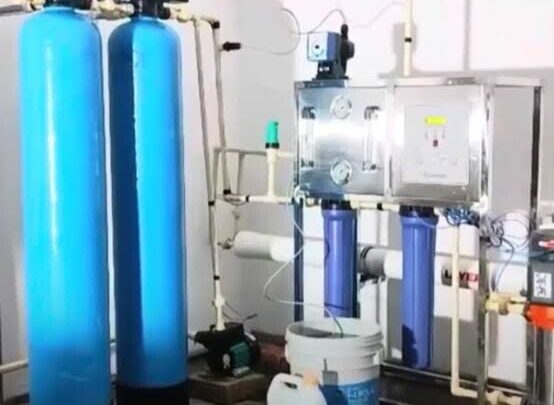
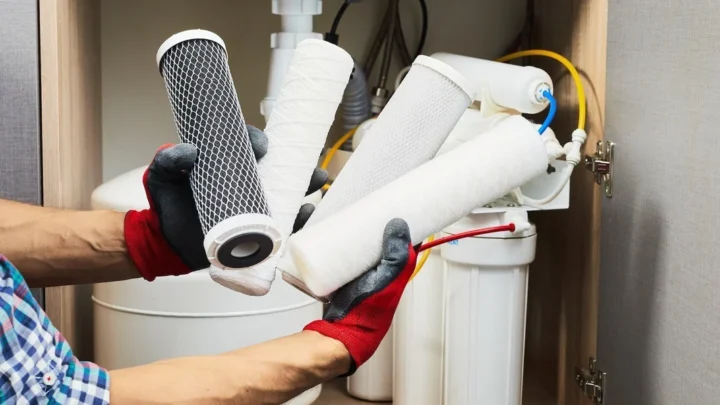
Experience is especially valuable during larger projects, such as replacing aging pipes, upgrading a water heater, installing a filtration system, or addressing recurring sewer problems. Each project has its own practical challenges, and a good technician knows when a straightforward repair is appropriate and when a more detailed inspection is necessary.
Still, experience alone isn’t enough. A reputable company should also maintain suitable training, follow applicable plumbing codes, and use appropriate tools and materials. Ask about relevant qualifications and licensing requirements in your area before approving substantial work.
Why Professional Appearance and Conduct Matter
A plumber’s work should be judged primarily by its quality, but professionalism also affects the customer’s experience. Arriving prepared, communicating respectfully, and taking reasonable precautions around the property all help establish confidence.
A uniformed and experienced technician can make it easier for customers to identify the service professional who arrives at their home. Just as importantly, the technician should be able to explain the work, answer practical questions, and demonstrate respect for the household.
Professional conduct includes protecting nearby surfaces, handling tools safely, and avoiding unnecessary disruption. If a repair requires shutting off the water, the plumber should explain how long the interruption may last whenever possible. For work that affects several fixtures, a little advance notice can help a family plan its day.
Cleanliness matters, too. Plumbing repairs can involve dirty water, old fittings, and debris, but the work area should be left in a reasonable condition. Before the technician leaves, ask for a brief explanation of what was repaired, whether any issues remain, and how to recognize signs of a future problem.
These details may seem small, yet they often distinguish a smooth service visit from an unnecessarily stressful one.
Clear Pricing Builds Confidence
Few things are more frustrating than receiving an unexpected bill after a repair. While not every plumbing problem can be diagnosed completely before work begins, a company should explain its pricing process before getting started.
Whenever possible, request a written estimate that identifies the proposed work, expected labor, materials, and applicable service fees. Ask whether the quoted price could change if additional damage is discovered. If extra work becomes necessary, the plumber should explain why and obtain approval before proceeding, except where an immediate safety response requires different handling.
A low initial quote isn’t always the most affordable choice in the long run. Incomplete repairs, unsuitable parts, or poor workmanship can lead to repeat expenses. Compare the scope of work, warranty terms, and professional qualifications rather than focusing on one number alone.
A trustworthy provider won’t pressure you into purchasing expensive equipment without a reasonable explanation. If a water heater needs replacement, for instance, ask why repair isn’t suitable and whether the current unit’s age or condition affects the decision.
Good communication gives customers the information they need to choose confidently.
Preventive Maintenance Can Save Time and Money
Many plumbing emergencies begin as small problems that go unnoticed. A loose connection beneath a sink, a toilet that continues running, or a drain that repeatedly slows down can waste water and create damage over time.
Simple inspections can help identify these issues early. Check exposed pipes occasionally for moisture or corrosion, watch for unexplained increases in water bills, and investigate unusual odors or changes in water pressure. Avoid pouring cooking grease down drains, and use suitable screens to catch hair and debris.
Water heaters also benefit from maintenance according to the manufacturer’s recommendations. Leaks, inconsistent temperatures, unusual noises, or visible corrosion deserve attention. Don’t attempt repairs involving electrical components or gas connections unless you’re qualified to do so.
For older properties, a professional plumbing inspection may help identify worn pipes, outdated fixtures, or recurring drainage concerns. Not every issue requires immediate replacement, but understanding the condition of your system makes it easier to plan repairs and budget for future upgrades.
Preventive maintenance cannot eliminate every unexpected failure. It can, however, help reduce avoidable problems and give homeowners a clearer picture of their plumbing system’s condition.
Choosing a Company You Can Feel Comfortable Calling
Before hiring a plumber, look for relevant licensing, insurance where required, clear estimates, and a willingness to explain the proposed work. Read customer reviews carefully, paying attention to recurring comments about punctuality, communication, workmanship, and how complaints are handled.
It’s also sensible to ask about warranties and what happens if a repair doesn’t solve the original problem. A dependable company should be willing to discuss these details without making you feel as though you’re being difficult.
Ultimately, a plumbing professional should be professional and can be trusted through consistent actions: showing up prepared, doing the agreed work, respecting your property, and being honest about the results.
Good Service Is Built on Everyday Decisions
Trust doesn’t develop through one promise or a polished advertisement. It grows when a company consistently delivers dependable work, communicates clearly, and treats customers fairly.
For homeowners, that reliability means less uncertainty when something breaks and greater confidence when planning repairs or upgrades. For plumbing companies, it means recognizing that every service call represents someone’s home, budget, and peace of mind.
When choosing a plumber, look beyond the immediate repair. Consider the quality of communication, the willingness to explain options, and the care shown throughout the visit. Those qualities are just as important as technical ability.
A well-repaired pipe or properly installed water heater may not attract much attention once the job is finished. That’s the point, really. The best plumbing service helps life return to normal, with fewer worries and a system you can rely on.