Water is one of those things we tend to take for granted. We turn on the kitchen tap, fill a glass, start the washing machine, or step into the shower without giving much thought to what’s flowing through the pipes. That changes, though, when the water starts leaving white marks on faucets, tastes unpleasant, or makes everyday cleaning feel like more work than it should be.
Water quality problems aren’t always obvious, and they don’t all have the same cause. Some homes deal with hard water, while others experience sediment, chlorine tastes, iron staining, or concerns about particular contaminants. The right solution depends on what’s actually in the water, not simply on which treatment product happens to be popular.
A little investigation can go a long way. With the right information, homeowners can make practical choices that improve water quality without spending money on equipment they don’t need.
Understanding the Water Coming Into Your Home
Before choosing a treatment system, it’s worth understanding where your water comes from. Municipal water supplies are generally treated and monitored according to applicable standards, but the water can still pick up minerals as it travels through distribution pipes. Private wells present different considerations because their quality can vary with local geology, rainfall, nearby land use, and changes in groundwater conditions.
Even two neighboring homes may have noticeably different experiences. One household might struggle with mineral deposits on shower doors, while another notices a strong chlorine smell when filling a glass. These symptoms can point toward different issues, which is why guessing rarely makes sense.
Start by observing the problem. Does the water leave a crusty white residue? Are there reddish-brown stains around sinks? Does the taste change after plumbing work or heavy rain? Such clues can help guide an investigation, although appearance and taste alone cannot establish whether water is safe to drink.
Testing provides a more dependable starting point. Depending on the source and the concerns involved, testing may assess hardness, pH, iron, manganese, dissolved solids, bacteria, or specific contaminants. For private wells, use an appropriately qualified laboratory and follow local public health recommendations for routine testing.
Why Professional Guidance Can Make a Difference
Water treatment can look surprisingly complicated once you begin comparing equipment. There are softeners, carbon filters, sediment filters, reverse osmosis units, ultraviolet systems, and several other technologies, each designed for particular purposes. Choosing between them without understanding the water can quickly become confusing.
This is where professional water treatment guidance becomes useful. A knowledgeable specialist can review test results, discuss the household’s concerns, and explain which treatment methods are suitable. Just as importantly, they can identify situations where a treatment system isn’t necessary or where an existing plumbing issue should be addressed first.
For example, a family dealing mainly with hard water may benefit from a water softener. A household concerned about a specific dissolved contaminant might need a different technology altogether. If bacteria are detected in a private well, simply installing a standard sediment filter won’t solve the underlying problem.
Good advice should include realistic expectations. No single device removes every possible contaminant, and a system that improves taste doesn’t automatically make unsafe water safe. Ask what the equipment is designed to remove, what evidence supports its performance, and whether independent certification is available for the relevant contaminant reduction claims.
Filtration Is About More Than Better Taste
For many homeowners, filtration first becomes interesting because of taste or odor. Water that smells strongly of chlorine, for instance, can make a freshly filled glass less appealing. Certain filters can reduce chlorine and improve taste, depending on their design and condition.
However, filtration isn’t one universal process. A sediment filter traps suspended particles, while activated carbon can reduce certain chemicals and odors. Reverse osmosis systems use a membrane to reduce many dissolved substances, although performance depends on the system and the contaminants involved. Ultraviolet treatment can help inactivate microorganisms when properly designed and maintained, but it does not remove dissolved minerals or chemical contaminants.
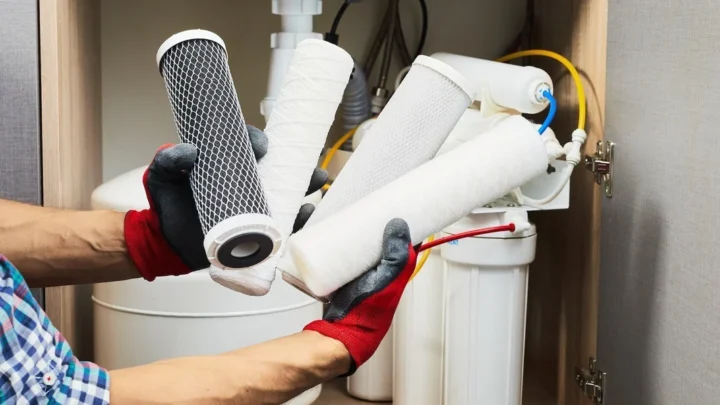
Reliable filtration services should begin with the problem the homeowner wants to solve. That might involve selecting an appropriate filter, checking an existing system, replacing exhausted cartridges, or investigating why water quality has changed. Installing a filter is only part of the job; keeping it working properly matters just as much.
Filter replacement schedules deserve attention. Some cartridges need changing after a set period, while others have capacity limits based on the volume of water treated. Waiting too long can reduce performance and, in some circumstances, affect water quality. Following the manufacturer’s instructions is a sensible habit, even when the water still looks perfectly clear.
Finding a Solution That Fits Everyday Life
A good water treatment setup should suit the household, rather than forcing the household to adapt around it. Consider how many people live in the home, how much water they use, whether the plumbing has enough space for the equipment, and which problems matter most.
For one family, reducing mineral buildup on fixtures may be the priority. Another may want better-tasting drinking water at the kitchen sink. A home using well water may require several coordinated treatment steps based on laboratory findings. These are different needs, and the solutions shouldn’t be treated as interchangeable.
Thoughtfully selected residential water treatment solutions can address specific water quality concerns while keeping the system manageable over time. Depending on the results, a household might need a single point-of-use filter, a whole-house treatment system, or a combination of technologies. The goal is to choose equipment that does the required job without unnecessary complexity.
Budget matters, of course. Look beyond the initial purchase price and consider installation, electricity where applicable, replacement filters, salt, periodic testing, and servicing. A low-cost system can become expensive if its consumables are difficult to source or its maintenance requirements are overlooked.
It’s also worth checking whether a proposed system will affect water pressure, produce wastewater, or require additional plumbing changes. These practical details often determine whether a system feels like a worthwhile improvement six months after installation.
Maintaining Water Quality After Installation
Once a treatment system is installed, it’s tempting to forget about it. After all, the water may taste better and the stains may begin to disappear. But treatment equipment needs ongoing attention if it is to continue performing as intended.
Keep installation documents, product specifications, and maintenance records in one accessible place. Follow recommended schedules for replacing filters, sanitizing equipment, checking softener settings, and servicing other components. If your water comes from a private well, continue testing it according to local guidance even when a treatment system is in place.
Changes in taste, odor, color, or pressure deserve a closer look. They may reflect a filter that needs replacing, a plumbing problem, seasonal changes in source water, or a new contamination concern. Don’t assume that an existing system will automatically handle every change.
If testing identifies a health-related concern, follow the advice of local public health authorities or a qualified water professional. Where drinking water is considered unsafe, use an appropriate alternative until the issue has been assessed and corrected.
Making a Confident Choice for Your Home
Better water doesn’t necessarily require the biggest system or the latest technology. It begins with understanding the water you have, identifying the problems worth solving, and choosing a treatment method that fits those needs.
Take time to ask questions, review test results, and compare the ongoing costs of different options. Be cautious of anyone promising that one product can remove every contaminant or suggesting expensive equipment without explaining why it’s necessary.
Water touches almost every part of daily life, from cooking and bathing to cleaning and caring for appliances. Improving its quality can make those routines more comfortable, but the best results come from informed decisions and consistent maintenance. When the solution is based on evidence rather than guesswork, it’s easier to invest wisely and enjoy the benefits for years to come.