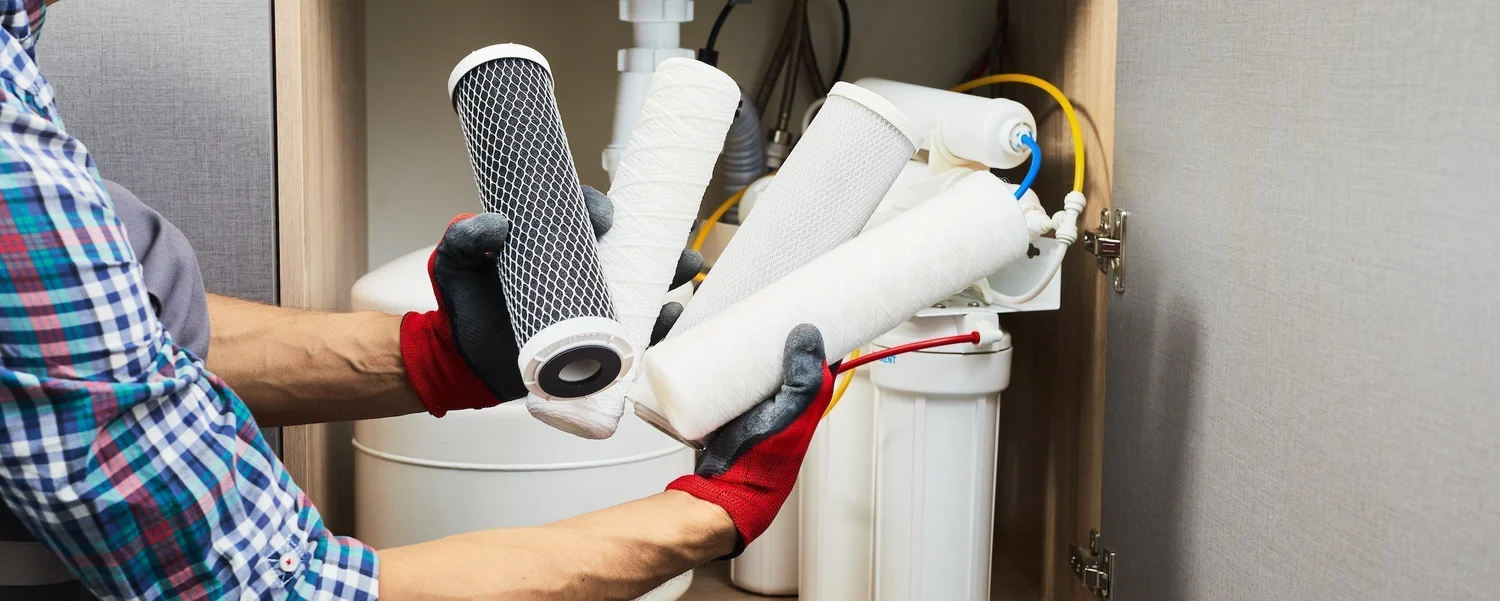
Clean water is one of those things most of us don’t think about until something goes wrong. We turn on the tap, fill a glass, and expect the water to be safe, fresh and pleasant to drink. But behind that simple routine, a water filtration system is quietly doing a fair amount of work. Filters collect unwanted particles, reduce certain contaminants and, depending on the system, improve taste and smell too.
The catch? A filtration system doesn’t take care of itself forever. Like any household equipment, it needs a little attention. Regular maintenance can keep water quality consistent, prevent avoidable problems and potentially save you from an expensive repair later.
Why Regular Filter Maintenance Matters
Water filters have a useful but limited lifespan. As they trap sediment and other impurities, the filtering material gradually becomes less effective. A cartridge that’s well past its recommended service interval may still allow water to flow, but that doesn’t necessarily mean it’s doing its job properly.
This is where routine filter replacement becomes important. The right schedule depends on the type of filter, how much water your household uses and the quality of the incoming water. A small household with relatively clean municipal water may have different needs from a larger family relying on water with heavy sediment.
It’s tempting to wait until the water tastes strange or the flow becomes noticeably slower. That’s not always the best approach. Some filtration media lose effectiveness before there are obvious signs.
Know What Your System Is Actually Filtering
Not every water filtration system works in exactly the same way. Sediment filters, activated carbon filters, reverse osmosis systems and specialty cartridges all have different purposes.
A sediment filter, for example, is mainly designed to catch physical particles such as sand, dirt and rust. Carbon filters are commonly used to reduce chlorine, unpleasant odors and certain organic compounds. Reverse osmosis systems use a membrane to remove a broad range of dissolved substances.
Understanding these differences makes maintenance much easier. You don’t want to replace a cartridge simply because its appearance looks dirty, nor should you assume every filter needs to be changed at the same interval.
Check the manufacturer’s recommendations first. They’re usually more useful than generic advice found online.
Watch for Small Warning Signs
Your filtration system often gives subtle hints when something needs attention. A noticeable drop in water pressure is one of the more common ones. You might also notice an unusual taste, odor, cloudy water or a filter indicator showing that service is due.
Leaks deserve attention too. Even a small drip around a filter housing or connection can eventually cause water damage, especially if the system sits inside a cabinet where you rarely look.
And here’s a simple habit that can save trouble: every few weeks, take a quick look underneath the sink or around the filtration unit. You don’t need to become a plumbing expert. You’re simply checking that everything looks dry, secure and normal.
Don’t Ignore the Quality of Incoming Water
Your filter’s workload depends heavily on the water entering your home. Seasonal changes, plumbing work in the neighborhood, an older building’s pipes or changes in the local supply can affect water quality.
In areas where sediment is a recurring issue, filters may become clogged faster than expected. That’s one reason a maintenance schedule should be treated as a guideline rather than a rigid rule.
If your home uses a private water source, periodic water testing can also be useful. Testing tells you what you’re actually dealing with instead of relying on guesswork. Once you know what’s present, you can choose filtration technology that makes sense for those specific conditions.
Salt Systems Need Their Own Kind of Attention
Some households use water softeners alongside filtration equipment. These systems rely on salt to help reduce hardness caused by minerals such as calcium and magnesium.
If you have a softener, keep an eye on the brine tank and don’t let it run empty for long periods. Using the correct type of salt delivery service can make routine upkeep less of a chore, particularly for households that go through salt quickly.
It’s also worth checking that the salt isn’t forming a hard crust or creating a bridge inside the tank. If salt appears full but the system isn’t regenerating properly, the problem may not be the amount of salt at all.
Be Careful With DIY Repairs
There are plenty of maintenance tasks homeowners can handle themselves. Changing an accessible cartridge, wiping down the housing and checking for obvious leaks are generally straightforward when the manufacturer’s instructions are followed.
More complicated problems are another matter.
If you find persistent leaks, unusual noises, electrical problems or a system that repeatedly stops working, trying random fixes can make things worse. Water filtration systems often combine plumbing connections, pressure and sometimes electricity. A small mistake can turn a minor issue into a much bigger one.
When the problem isn’t obvious, getting professional help is usually the sensible move. Good urgent support can be especially useful when a filtration problem leaves you without reliable drinking water or creates an active leak.
Keep a Simple Maintenance Record
You don’t need a fancy spreadsheet. A note on your phone is enough.
Write down the date when you change cartridges, clean components or service the system. If the system has multiple filters, record which one was replaced and when. Over time, you’ll develop a useful picture of how quickly your household goes through filters.
This little habit also helps prevent the classic “Did we change that last month or six months ago?” situation.
For larger filtration systems, keeping service records can be even more valuable. If a technician needs to troubleshoot a problem later, knowing what has already been replaced can speed up the process.
Clean Water Starts With Consistent Habits
A water filtration system doesn’t have to be complicated. In fact, the best maintenance routine is often surprisingly boring: replace filters on schedule, inspect connections, keep the equipment clean, pay attention to changes and deal with small problems before they become big ones.
It’s easy to focus on the filter itself and forget the rest of the system. But housings, tubing, storage tanks, valves and surrounding areas all matter. A clean cartridge won’t compensate for a leaking or poorly maintained component elsewhere.
Ultimately, good water quality isn’t just about buying the most advanced filtration equipment you can find. It’s about choosing a system that fits your home’s needs and then looking after it properly. A few minutes of attention now and then can keep the water flowing, the equipment working efficiently and one more household worry off your plate.