
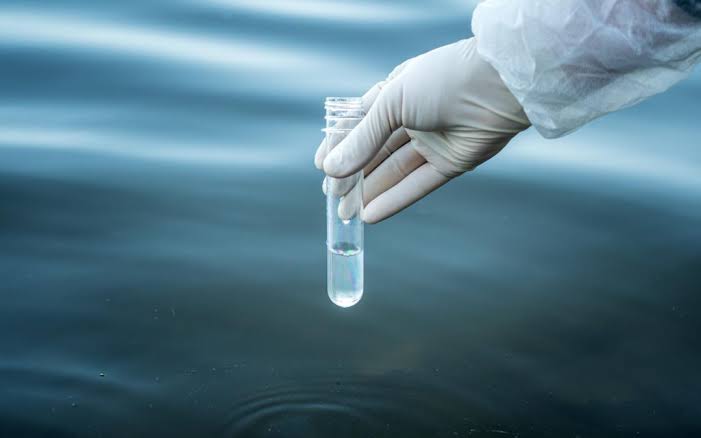
Water is one of those household essentials that people rarely think about until something changes. Perhaps your morning coffee develops an unusual aftertaste, your bathroom fixtures become increasingly difficult to clean, or tiny particles begin appearing in your drinking water.
These everyday experiences can raise important questions about the quality of your household water supply.
Rather than immediately purchasing filtration equipment or spending more money on cleaning products, understanding the underlying causes can help you make a more worthwhile investment.
With guidance from a qualified Kinetico water treatment specialist, homeowners can explore appropriate testing methods and personalized treatment technologies.
From identifying excessive mineral concentrations to investigating unpleasant tastes and odors, a thoughtful approach to water quality management can improve everyday convenience, protect valuable appliances, and make household maintenance considerably easier.
Understand Your Household Water Before Choosing Treatment Equipment
Water naturally interacts with soil, rocks, and distribution infrastructure before reaching your household plumbing. Along the way, it may collect minerals, suspended particles, and other substances that influence its characteristics.
A professional water evaluation helps homeowners better understand these conditions and determine whether appropriate treatment equipment could address their existing concerns.
Depending on the testing performed, a specialist may examine hardness levels, acidity, iron concentrations, residual disinfectants, and total dissolved solids.
These measurements can reveal useful information about everyday household frustrations.
For instance, elevated calcium and magnesium concentrations may explain why chalky deposits repeatedly appear around kitchen faucets. Similarly, certain iron-related conditions could contribute to reddish-brown stains on bathroom fixtures and freshly washed clothing.
Understanding these differences is important because not every water quality problem requires identical treatment.
A conventional water softener may help reduce hardness, but it won’t necessarily address unpleasant disinfectant-related tastes.
Likewise, a standard sediment filter can capture suspended particles without significantly reducing dissolved minerals.
Professional guidance can help homeowners identify which technologies deserve consideration rather than purchasing equipment based entirely on visible symptoms.
Taking the time to investigate your water conditions can prevent unnecessary expenses and establish realistic expectations about treatment performance.
Discover What a Detailed Household Water Assessment Can Reveal
Water quality involves more than its appearance or taste. Even water that looks perfectly clear may contain dissolved substances that influence household maintenance or require further investigation.
A comprehensive water quality assessment provides homeowners with valuable information about selected water characteristics and how those findings may relate to their everyday experiences.
Depending on your property’s requirements, an assessment may include:
- Hardness testing: Evaluates calcium and magnesium concentrations associated with mineral deposits.
- Iron testing: Helps investigate metallic tastes and reddish-brown staining.
- pH testing: Indicates whether water is acidic or alkaline.
- Disinfectant testing: Examines selected residual disinfectants that may influence taste and odor.
- Turbidity testing: Evaluates cloudiness associated with suspended material.
- Total dissolved solids testing: Measures or estimates the combined concentration of dissolved substances.
Each measurement serves a different purpose when evaluating household water conditions.
Imagine discovering that your recurring bathroom cleaning problems are primarily associated with excessive hardness rather than suspended particles. This information could help you choose conventional softening instead of investing in unsuitable filtration equipment.
However, preliminary household assessments have limitations.
Potentially harmful contaminants, including bacteria, nitrates, and certain heavy metals, may require specialized laboratory analysis.
A low total dissolved solids reading doesn’t automatically establish drinking water safety, just as an elevated reading doesn’t necessarily indicate dangerous contamination.
Understanding the significance and limitations of individual measurements helps homeowners make informed decisions about their treatment requirements.
Experience the Advantages of Working With Nearby Water Testing Professionals
Choosing water treatment equipment can feel overwhelming, particularly when different products advertise numerous filtration stages, advanced features, and impressive performance capabilities.
Working with qualified providers of local water testing services allows homeowners to discuss their concerns with professionals who may be familiar with regional water sources and common treatment requirements.
Municipal water customers may experience concerns involving residual disinfectants or excessive hardness. Households relying on private wells might encounter elevated iron concentrations, sulfur odors, sediment, or other groundwater-related challenges.
Understanding these differences helps guide appropriate equipment recommendations.
A knowledgeable professional can also evaluate practical considerations such as household consumption, incoming water pressure, plumbing compatibility, and available installation space.
For example, a busy family home with multiple bathrooms and frequently operated appliances may require significantly different treatment capacity from a smaller household.
Local professional assistance may also be valuable when filtration cartridges require replacement or existing equipment develops unexpected performance problems.
When consulting a Kinetico water treatment specialist, ask about available testing procedures, model-specific treatment capabilities, installation requirements, warranty coverage, and ongoing servicing arrangements.
A dependable provider should explain the findings clearly and recommend equipment based on your actual requirements rather than encouraging unnecessary purchases.
Having access to transparent professional guidance can make the entire treatment process considerably more manageable.
Match Your Water Test Results With Appropriate Treatment Technologies
Once your existing water conditions are understood, comparing treatment equipment becomes much easier.
Conventional water softeners reduce hardness minerals, while sediment filters capture suspended particles. Activated carbon filtration can help address selected disinfectants and unpleasant tastes or odors.
Reverse osmosis technology provides additional reduction of many dissolved substances in drinking water.
Properties experiencing elevated iron concentrations or sulfur-related odors may require specialized filtration equipment.
Some households benefit from combining complementary technologies, while others require only targeted treatment.
Consider independently verified performance claims, equipment capacity, water efficiency, installation expenses, and ongoing maintenance requirements before making a financial commitment.
The most suitable treatment arrangement isn’t necessarily the most expensive one. It’s the system that addresses your genuine concerns while remaining practical and affordable to maintain.
Protect Your Household Appliances Through Preventive Water Management
Water heaters, dishwashers, washing machines, and plumbing fixtures represent considerable household investments.
Excessive hardness can contribute to mineral scale formation, while suspended particles may accumulate inside appliance inlet screens.
Identifying these conditions through appropriate testing allows homeowners to explore preventive treatment before maintenance problems become more disruptive.
Although water treatment cannot prevent every mechanical failure, addressing unfavorable water conditions may help reduce certain avoidable servicing requirements.
Continue Monitoring Your Water After Treatment Installation
Installing water treatment equipment shouldn’t mark the end of your water quality monitoring.
Periodic follow-up testing can help verify treatment effectiveness. Replace filtration cartridges, service membranes, and replenish softener salt where applicable according to manufacturer recommendations.
Private well owners should also maintain appropriate laboratory testing schedules based on public health recommendations.
Keeping previous test results and maintenance records helps identify unexpected changes in treatment performance and makes future servicing requirements easier to anticipate.
Take a Confident Step Toward Better Water With Kinetico
Improving household water quality begins with understanding what’s already flowing through your faucets.
Consider consulting a qualified Kinetico water treatment specialist to discuss your concerns, available testing arrangements, and personalized equipment recommendations.
With reliable information, thoughtful equipment selection, professional installation, and consistent maintenance, homeowners can address many persistent water quality frustrations.
Ultimately, better water begins with better knowledge. Making informed treatment decisions can help protect valuable household investments, simplify everyday responsibilities, and create a comfortable home where appropriately treated water provides lasting convenience and practical value.


