
How to Choose the Right Size Configuration Among Multiple RV Storage Units Options
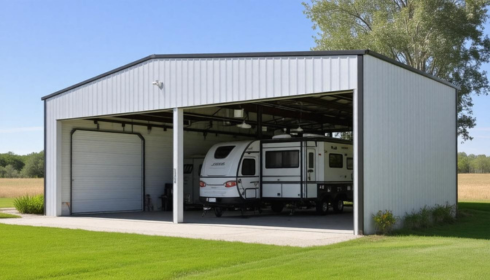
Selecting storage for an RV involves more than finding an open space and parking it. RV owners often discover that size, access, and layout details directly affect long-term condition and ease of use. Understanding how different RV storage units are configured helps avoid costly mistakes and ensures the vehicle stays ready for the road.
Matching RV Length to Available Unit Depth
RV length is the first measurement that determines whether a storage space will work long term. Manufacturers list overall length, but that number can differ from usable length once bumpers, ladders, or mounted accessories are included. Storage units that appear deep enough on paper may leave little room for error if the RV barely fits end to end.
Allowing extra depth beyond the listed length reduces stress during parking and prevents contact with walls or barriers. RV storage units with proper depth also make it easier to inspect rear components and access hitch areas without repositioning the vehicle. Many people searching for storage units near me overlook this detail, yet depth flexibility often separates a comfortable storage experience from a frustrating one.
Clearance Considerations for Rooftop Equipment
Rooftop equipment often adds unexpected height to an RV. Air conditioners, satellite dishes, vents, and solar panels can extend several inches above the main roofline. Storage spaces that only account for vehicle height without these additions may create clearance issues over time.
Vertical clearance matters even in uncovered or partially covered RV storage units. Entry gates, canopies, and lighting fixtures all require safe overhead spacing. Adequate clearance prevents damage to rooftop systems and allows owners to access and maintain these components without feeling restricted during routine checks.
Width Allowances for Slide-outs and Mirrors
RV width extends beyond the main body once mirrors and slide-outs are factored in. Extended mirrors often push the widest point well past the listed chassis width. Storage spaces that feel tight on entry can quickly become inconvenient during repeated use. Extra width also protects slide-out seals and exterior finishes. Even when slide-outs remain closed in storage, narrow spaces increase the chance of scraping during entry or exit. RV storage units designed with wider clearances reduce the risk of accidental contact and make parking less stressful, especially for larger rigs.
Turning Radius Needs Within Storage Access Lanes
Access lanes play a major role in selecting the right configuration. A storage space may be technically large enough, yet difficult to reach due to tight turns or limited maneuvering room. Longer RVs require wider turning radiuses to enter and exit without repeated adjustments. Poorly designed access lanes increase tire wear and raise the chance of curb or fence contact. Storage units near me with wide drive lanes allow smoother movement and faster positioning. This detail becomes especially important for owners who store their RV frequently between trips.
Door Height Requirements for Covered Units
Covered RV storage offers protection from sun exposure and debris, but door height must match the vehicle profile. Roll-up doors, metal canopies, and framed structures often reduce usable height compared to open storage. Misjudging this measurement can prevent proper entry. Door height should accommodate not only the RV itself but also roof-mounted accessories. Storage spaces with generous vertical openings allow for safe clearance and easier alignment during parking. RV storage units that account for door height reduce the risk of scraping or forced adjustments.
Power Hookup Spacing for Onboard Systems
Some RV owners rely on power hookups to maintain batteries, refrigerators, or onboard systems while in storage. The spacing between the RV and power source affects how safely and efficiently these systems operate. Poor placement can strain cords or limit accessibility. Adequate spacing allows cords to remain off the ground and connections to stay protected. RV storage units designed with power access in mind support long-term storage needs without improvised solutions. This feature often becomes a deciding factor for those searching storage units near me with added functionality.
Space Buffers for Routine Inspections
Routine inspections require physical space around the RV. Checking tires, seals, and undercarriage components becomes difficult if the storage area leaves no walking room. Tight spaces discourage regular maintenance, which can lead to overlooked issues.
Extra buffer space allows owners to move comfortably around the vehicle and perform visual checks without repositioning the RV. RV storage units that provide room for inspections support better upkeep and reduce long-term repair costs by making maintenance easier to complete on schedule.
Storage Layouts Supporting Easy Entry and Exit
The overall layout of a storage facility influences daily usability more than many expect. Straight entry paths, wide angles, and clearly marked spaces reduce time spent parking and exiting. Poor layouts often lead to repeated adjustments and unnecessary stress.
Efficient layouts also protect surrounding vehicles and structures. RV storage units arranged with thoughtful spacing support smoother traffic flow and safer movement. For those evaluating storage solutions, Storage Partner offers options designed to align RV size, access, and layout needs in one place.