
Steps BBQ Food Trucks Use to Keep Meat Juicy During Service
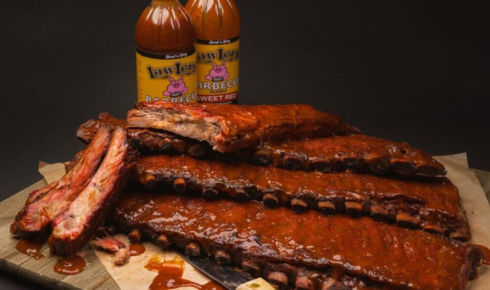
Juicy barbecue does not happen by accident, especially inside the tight workspace of a food truck. Heat, time, and movement all work against moisture once meat leaves the smoker. That is why anyone searching for a BBQ food truck near me is really looking for teams that understand how to protect texture and flavor all the way through service.
Wrapping Meat in Foil to Lock in Steam and Juices
Foil wrapping plays a major role in moisture retention. After meats reach a certain internal temperature, wrapping helps trap steam that would otherwise escape into the air. That trapped moisture softens connective tissue and prevents the exterior from drying out during holding. Foil also creates a stable micro-environment around the meat. Inside a BBQ food truck in Huntsville AL, conditions change constantly as doors open and close. Wrapping provides insulation against those shifts, keeping barbecue juicy without continuing to cook it aggressively.
Spritzing with Liquid to Maintain Surface Moisture
Surface moisture affects how meat feels with each bite. Spritzing with liquid replaces moisture lost during long cook times and holding periods. Water, vinegar blends, or light broths are often used to keep the exterior from tightening up. This step also helps smoke and seasoning stay balanced. A dry surface can become tough, while a lightly spritzed surface remains flexible. Barbecue teams apply this technique carefully to avoid washing away bark or flavor.
Cooking Low and Slow to Prevent Rapid Moisture Loss
Low-and-slow cooking allows fat and collagen to break down gradually. High heat forces moisture out quickly, leaving meat dry before it ever reaches service. BBQ food trucks rely on steady, moderate heat to protect internal juices from the start. Time becomes an ingredient in itself. Slow cooking gives muscle fibers time to relax, allowing juices to stay where they belong. This method forms the foundation of quality BBQ across pits, trailers, and food trucks alike.
Choosing Cuts with Good Marbling for Natural Juiciness
Cut selection determines how forgiving the meat will be during service. Marbling provides built-in moisture that melts during cooking and continues to protect the meat afterward. Brisket, pork shoulder, and certain rib cuts perform better under extended heat. Lean cuts require extra attention and often dry faster. Experienced BBQ operators select meats that naturally support juiciness, especially when serving large crowds. That choice directly impacts what customers experience at the window.
Resting Meat Before Slicing to Redistribute Internal Juices
Resting meat is not optional—it is structural. After cooking, juices move toward the center of the meat. Rest time allows those juices to redistribute evenly rather than spilling out when sliced. In a food truck setting, resting often happens inside warmers or insulated holding areas. This pause stabilizes the meat, making each slice tender and moist rather than dry and crumbly.
Avoiding Over-trimming That Removes Flavorful Fat Layers
Fat is not waste in barbecue; it is protection. Over-trimming removes layers that shield meat from heat and hold moisture during long cooks. BBQ food trucks that prioritize juiciness leave strategic fat intact. Those layers melt gradually, basting the meat from within. Removing too much exposes muscle fibers directly to heat, accelerating moisture loss. Careful trimming strikes a balance between presentation and performance.
Maintaining Stable Smoker Temperatures During Service
Temperature swings are one of the fastest ways to dry out barbecue. Opening smokers too often or letting heat spike can undo hours of careful cooking. Stable smoker control keeps moisture loss predictable. Food trucks often use dampers, probes, and fire management techniques to maintain consistency. Even during service, attention stays on heat control to protect the finished product.
Slicing to Order so Juices Stay in the Meat Longer
Pre-slicing increases surface area, which leads to faster moisture loss. Slicing to order keeps juices inside the meat until the moment it is served. This approach preserves both texture and temperature. Customers benefit from meat that is cut fresh, not sitting exposed. That extra step takes effort, but it separates average BBQ from memorable BBQ, especially in a high-demand service environment. Keeping barbecue juicy during service requires discipline, timing, and technical skill. LawLers Barbecue supports this standard by applying proven smoking methods, careful holding practices, and service techniques that protect flavor and moisture, ensuring each serving reflects the care taken long before the truck ever opens its window.