
How Far in Advance Should Rock and Dirt Delivery Be Scheduled?
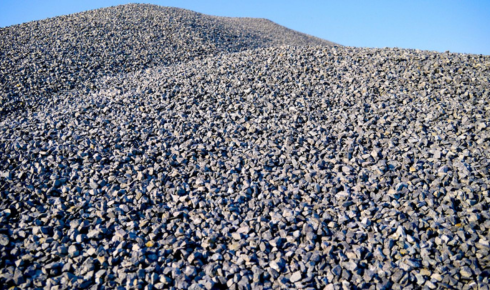
Project timelines often hinge on materials arriving exactly when needed, not days too early and never too late. Whether the job involves landscaping, grading, or foundation prep, planning ahead for rock and dirt delivery can prevent stalled work and added costs. Contractors and homeowners alike benefit from understanding how scheduling affects availability, pricing, and overall project flow.
Understanding Delivery Lead Times During Peak Construction Seasons
Construction activity rises sharply during warmer months, which places pressure on suppliers and trucking schedules. During these peak periods, rock and dirt delivery calendars fill quickly as demand increases for gravel for sale, soil for sale, and bulk aggregates. Scheduling several weeks in advance helps secure a preferred delivery window instead of settling for leftover openings. Lead times also vary by material type. Specialty blends, screened soils, or certain rock sizes may require additional processing time before shipment. Booking early allows suppliers to prepare the order properly and reduces the chance of delays caused by production backlogs or limited trucking availability.
Why Early Scheduling Matters for Large-volume Material Orders
Large-volume orders require more coordination than small residential loads. Deliveries involving multiple truckloads of dirt for sale or rocks for sale must be staged carefully to avoid overwhelming the site or blocking access. Early scheduling gives suppliers time to plan efficient delivery sequences that match the pace of the project.
Another factor involves inventory management. High-volume orders can temporarily deplete stock, especially during busy seasons. Reserving rock delivery near me ahead of time ensures the material remains available when needed, preventing last-minute substitutions that may not meet project specifications.
The Importance of Site Readiness Before Delivery Day Arrives
A delivery arriving at an unprepared site often creates problems that ripple through the entire project. Access roads, dump locations, and ground stability must be ready to support heavy trucks. Scheduling dirt delivery near me too early can lead to materials sitting unused, compacting improperly, or washing away during rain.
Clear communication between the supplier and the site manager improves timing. Confirming space for dumping, equipment availability, and weather conditions allows the delivery to happen smoothly. Proper preparation ensures materials are placed exactly where they are needed without rehandling.
Understanding Supplier Backlog and Local Demand Cycles
Supplier backlogs fluctuate based on regional construction trends and weather patterns. After heavy storms or during infrastructure projects, demand for rock and dirt delivery near me can spike unexpectedly. These cycles reduce flexibility for short-notice orders and increase lead times across the board.
Local demand also affects pricing and scheduling priority. Suppliers often prioritize customers with planned orders because they allow for efficient routing and load planning. Understanding these demand cycles helps customers choose delivery dates that align with availability rather than competing with peak demand.
Why Short-notice Orders Often Limit Material Selection
Last-minute orders usually come with fewer options. If a specific gravel size or soil blend runs out, substitutes may be the only choice available. Scheduling rock delivery near me on short notice often means accepting whatever inventory remains rather than the ideal material.
Short timelines also reduce quality control opportunities. Pre-scheduled orders allow time for screening, blending, or moisture adjustment, especially for soil for sale used in grading or landscaping. Rushed orders skip these steps, which can affect performance and appearance.
How Access Conditions Affect Scheduling Flexibility
Site access plays a major role in delivery timing. Narrow driveways, steep grades, or limited turning space restrict truck types and load sizes. These constraints often require specialized equipment or split deliveries, which must be planned in advance.
Access issues also influence delivery sequencing. Rock and dirt delivery works best when trucks can enter, unload, and exit efficiently. Early scheduling allows suppliers to assign appropriate vehicles and drivers, avoiding delays caused by unsuitable equipment arriving on site.
Understanding Rush Fees Versus Planned Delivery Savings
Rush deliveries typically cost more due to overtime labor, rescheduled routes, or last-minute trucking arrangements. These fees add up quickly, especially for large orders of dirt delivery near me or gravel for sale. Planning ahead avoids these added expenses and keeps budgets predictable. Planned deliveries also allow suppliers to optimize routes, reducing fuel and labor costs. These efficiencies often translate into better pricing for customers who schedule early. Over time, consistent planning leads to smoother projects and fewer unexpected charges.
Reliable material supply depends on timing as much as quantity. North Alabama Rock & Dirt support residential and construction projects by offering scheduled deliveries of rock, gravel, dirt, and soil with dependable service and material consistency across North Alabama.