
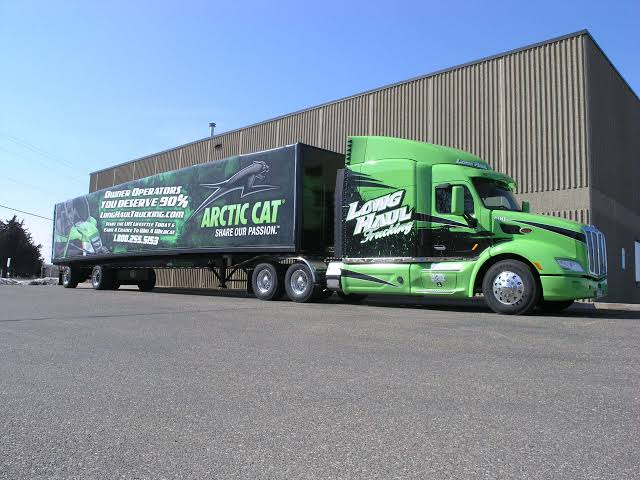
A 16-foot trailer offers plenty of room to carry equipment, transport products, or support a growing business. It also offers something that owners sometimes overlook: a large, highly visible surface that can help tell a story. Whether the trailer travels between job sites, appears at community events, or spends most weekdays on the highway, its exterior can do more than identify what’s inside. With the right graphics, it can become a practical extension of a brand.
The challenge is deciding how much of the trailer to wrap. A complete design can create a bold, unified appearance, while a partial wrap or a few well-placed graphics may be enough to get the message across. The best option depends on the budget, the trailer’s condition, the amount of information to display, and how the trailer will be used.
Start With the Purpose of the Trailer
Before choosing colors or artwork, think about the trailer’s everyday role. A contractor might use it to carry tools and materials between residential projects. A mobile business may park it outside events or busy shopping areas. Another owner might use it for deliveries, with the trailer spending hours on the road but only a short time at each destination.
Each situation calls for a slightly different approach. A trailer that regularly sits in public view may benefit from a more detailed design, while one used mainly for transport might need only a company name, logo, and contact details. The design should reflect what the business wants people to remember.
Consider the audience, too. Someone passing the trailer at highway speed won’t have time to read a long paragraph. A person standing nearby at an event may be able to take in more information. Clear lettering, a recognizable logo, and a strong visual hierarchy help the design work in both situations.
A Full Wrap Creates a Unified Appearance
For owners who want a dramatic transformation, a 16ft trailer full wrap with installation can cover most or all of the trailer’s exterior panels with a coordinated design. This approach gives the artwork plenty of space, making it possible to combine brand colors, product images, large lettering, and other visual elements in one consistent layout.
A full wrap can be especially useful when the trailer serves as a mobile advertisement. For example, a landscaping company might use photographs of completed gardens alongside its logo and service details. A food business could feature recognizable product imagery and a simple message that helps people connect the trailer with its offerings.
The main advantage is visual continuity. Instead of having separate graphics that look like individual additions, the trailer can present one complete design. That doesn’t mean every panel needs to be crowded with information, though. Empty space has a purpose, and a cleaner layout often looks more professional than one filled with competing images and text.
Before moving forward, inspect the trailer’s condition. Dents, corrosion, peeling paint, and damaged panels may affect preparation and the final appearance. These issues should be discussed with the installer before the design and quote are finalized.
Partial Wraps Offer Flexibility
A complete wrap isn’t always necessary. A 16ft trailer partial wrap with installation can focus on selected sections, such as the side panels, rear doors, or a large area around the main logo. This approach may suit businesses that want a noticeable upgrade while keeping the project within a more limited budget.
Partial wraps work particularly well when the trailer already has a suitable base color. If the existing surface is clean and in good condition, the design can use that color as part of the overall look rather than covering every panel. For instance, a white trailer might need only bold branded panels, a logo, and a few supporting graphics to create a recognizable identity.
Planning is important because the transition between wrapped and unwrapped areas will remain visible. The design should make those edges look intentional, not as if the project was left unfinished. Colors should complement the trailer’s base finish, and graphics should be positioned to avoid awkward gaps around seams, handles, and hinges.
Partial coverage can also make future updates easier in some situations. If a phone number, service list, or promotional message changes, the affected section may be simpler to update than a complete wrap. The exact cost and practicality depend on the material, artwork, and how the existing graphics were installed.
Spot Graphics Keep the Message Simple
Sometimes, a few carefully chosen elements are all a trailer needs. A 16ft trailer spot graphics with installation option may include a logo, business name, website, phone number, or a small set of service icons. These elements can be placed where they’re easy to see without changing the entire appearance of the trailer.
Spot graphics are often a sensible choice for businesses that want a straightforward, professional look. A plumbing company, for example, might place its logo and contact details on both sides and the rear door. A delivery business may need only its name and a simple identifying mark.
The key is to resist the urge to add too much. A trailer’s side panel may look enormous when you’re standing next to it, but text can become difficult to read from a moving vehicle. Use lettering large enough to be recognized at a reasonable distance, and keep the most important information prominent.
Spot graphics can also complement existing branding. If the trailer has a painted stripe or a factory finish that still looks good, the artwork can be designed around it. This can preserve the trailer’s original character while making the business identity more visible.
Choose Materials for Real Driving Conditions
Trailers face plenty of wear. Road debris, rain, sunlight, dust, frequent washing, and temperature changes can all affect the exterior. Material selection should reflect those conditions rather than focusing only on the design’s initial appearance.
Ask the installer which vinyl film is appropriate for the trailer’s surface and the planned application. Some materials are better suited to complex curves, while others are intended for flatter panels or particular types of graphics. Printed designs may also need a compatible protective overlaminate, depending on the film and printing system.
A good supplier should be able to explain expected service life, care instructions, and warranty terms. No wrap is completely immune to fading or damage, and performance depends on material quality, installation, exposure, and maintenance. Understanding those limits helps you make a realistic comparison between proposals.
Installation Makes a Visible Difference
Even a strong design can look untidy if the installation is rushed. Trailer panels need to be cleaned and prepared carefully so dust, grease, and other contaminants don’t interfere with adhesion. Edges, rivets, seams, hinges, and door hardware require particular attention because these areas can be more difficult to wrap neatly.
Ask whether the installer will inspect the trailer before production. Existing damage or peeling paint may affect the result, and it’s better to address those concerns early. You should also confirm what’s included in the quote: design work, printing, surface preparation, installation, and any recommended protective layer.
After installation, follow the supplied care instructions. Gentle cleaning and prompt removal of dirt or contaminants can help keep the graphics looking fresh. Avoid aggressive washing directly against edges, and have lifting or damaged areas checked before they become more extensive.
Make the Trailer Work Harder for Your Brand
A 16-foot trailer doesn’t need a complicated design to make an impression. It needs the right amount of coverage, a clear message, materials suited to its use, and careful installation. A full wrap can create a complete visual transformation, a partial wrap can balance impact with flexibility, and spot graphics can deliver essential information without covering every panel.
Take time to compare the options and consider how the trailer will look on the road, at a job site, and when parked outside a business. The best choice is the one that fits your goals and budget while remaining practical for everyday use. When the design feels intentional and the workmanship is solid, the trailer becomes more than a way to move equipment. It becomes a recognizable part of your business wherever it goes.
