
How Orthopedic Sports Medicine Tackles Fractures and Ligament Tears Without Delay
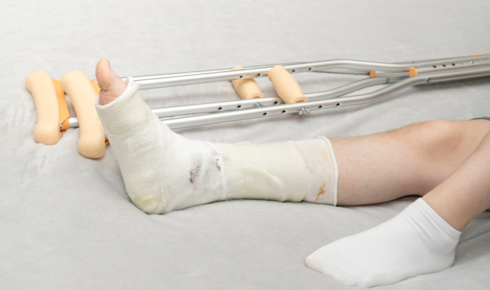
Sudden injuries can change an athlete’s season in a single moment. A sharp twist, a hard fall, or a direct hit may leave a player unable to stand or move without pain. Orthopedic sports medicine focuses on fast, accurate care so fractures and ligament tears receive attention before they worsen.
Quick Scans Catch Broken Bone Lines Before They Shift
Fast imaging plays a key role in treating fractures. X-rays and other scans reveal small cracks in bone that may not be obvious at first glance. A sports medicine doctor uses these tools to confirm the exact location and angle of the break before the bone has a chance to shift further out of alignment. Early detection matters because bone fragments can move with normal activity.
Once a fracture shifts, it may require more complex treatment. By identifying the break quickly, a sports medicine doctor near me can stabilize the area and reduce the risk of complications that delay healing. Accurate scans also help determine whether surgery is needed or if the bone can heal with casting or bracing. Each image guides the next step. Acting quickly helps preserve proper alignment and keeps recovery on track.
Imaging Guides Precise Care for Torn Soft Tissues
Ligament tears often hide beneath swelling and bruising. MRI scans and advanced imaging allow a sports medicine doctor to see inside the joint and assess the severity of the tear. Clear images show whether fibers are stretched, partially torn, or fully ruptured.
That level of detail changes the treatment plan. A mild sprain may heal with rest and therapy, while a complete tear may require surgical repair. Orthopedic sports medicine relies on imaging to avoid guesswork and choose the safest path forward. Soft tissue injuries can worsen if ignored. Early imaging prevents repeated stress on unstable joints. Quick answers help athletes avoid further damage during the early days after injury.
Bracing Supports Healing While Motion Stays Safe
Stability does not always mean complete rest. Modern braces support injured bones and ligaments while allowing controlled movement. A sports medicine doctor selects braces based on the joint involved and the type of injury. Bracing limits harmful motion but still encourages gentle activity. Keeping muscles engaged prevents stiffness and weakness. That balance supports recovery without placing stress on fragile tissue. Protective support also gives athletes confidence. Knowing the joint is stabilized reduces fear of reinjury. This mental comfort can make a real difference in early rehabilitation stages.
Early Repair Keeps Joints Stable for Activity
Severe ligament tears can leave joints unstable. Without proper repair, the joint may give way during simple movements. Orthopedic sports medicine focuses on restoring stability as soon as possible to protect cartilage and surrounding tissue.
Surgical repair may involve reattaching torn ligaments or reconstructing them using grafts. Early intervention helps preserve joint alignment and function. Delaying repair can increase the risk of long-term instability and arthritis.
Restoring structure early improves the chances of a full return to activity. Stability protects both performance and long-term joint health.
Bone Resets Done Right Cut Risk of Future Pain
Realigning a fractured bone requires skill and careful technique. A sports medicine doctor may perform a closed reduction, gently guiding the bone back into place without open surgery. Precision matters to ensure smooth healing.
Proper alignment reduces the risk of uneven bone growth. Misaligned healing can lead to chronic pain and limited motion. Careful repositioning supports a stronger, straighter recovery.
Once aligned, the bone must remain secure. Casting, bracing, or surgical hardware holds the reset in place while natural healing takes over.
Ligament Support Restores Strength After Injury
Repaired ligaments need structured rehabilitation to regain strength. Orthopedic sports medicine combines medical treatment with physical therapy to rebuild stability. Exercises focus on balance, coordination, and muscle control.
Rehabilitation strengthens surrounding muscles to support the healing ligament. Gradual progression prevents overload. A sports medicine doctor near me often works closely with therapists to adjust exercises as healing advances.
Regaining strength takes time, but guided therapy helps avoid setbacks. Consistent follow-through ensures the joint can handle future stress.
Targeted Therapy Limits Swelling and Loss of Motion
Swelling can restrict motion and slow healing. Early therapy includes techniques to reduce inflammation, such as compression, elevation, and controlled movement. Quick action prevents stiffness from setting in.
Therapists guide patients through safe range-of-motion exercises. Gentle motion keeps joints flexible while tissues recover. This approach reduces scar tissue buildup that can limit mobility later.
Active care shortens recovery time. Addressing swelling early protects both comfort and function.
Follow-up Checks Track Recovery Every Step
Healing does not end after initial treatment. Regular follow-up visits allow a sports medicine doctor to monitor progress. Imaging may be repeated to confirm proper bone healing or ligament repair.
These check-ins catch small problems before they grow. Adjustments to bracing or therapy can be made based on progress. Careful tracking supports steady improvement.
Consistent monitoring reassures athletes that recovery is moving in the right direction. Clear milestones help set realistic expectations.
Tailored Plans Get Athletes Back Without Needless Delay
No two injuries are identical. Orthopedic sports medicine develops personalized plans based on the athlete’s sport, age, and goals. A runner, for example, may need different conditioning than a football player. Customized timelines balance safety with performance. Returning too early can undo weeks of healing. Waiting too long can weaken muscles and confidence.
A sports medicine doctor near me works to find that balance. Structured plans help athletes return to training without unnecessary delay while protecting long-term health.
Athletes seeking focused orthopedic sports medicine care benefit from an approach built on accurate diagnosis and structured recovery. Advanced imaging, careful treatment, and consistent follow-up help ensure fractures and ligament tears heal properly. Through steady guidance and individualized planning, Dr Boyett supports patients as they regain strength, stability, and confidence in their return to activity.