
The Future of Plastic Bottle Recycling in India
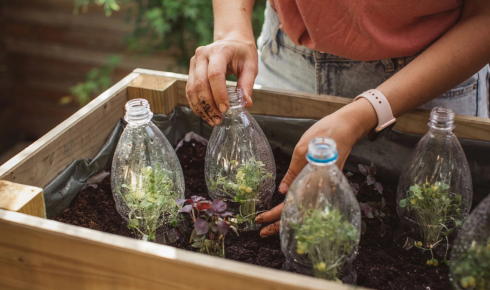
India’s plastic consumption has grown rapidly over the past decade, and so has the urgency to manage the waste it generates. Among the most visible and recyclable waste streams, plastic bottle recycling is emerging as a critical pillar of the country’s sustainability journey. As regulations tighten, technology advances, and consumer awareness rises, the future of plastic bottle recycling in India is moving decisively towards a more organised, circular and value-driven ecosystem.
Why Plastic Bottle Recycling Matters More Than Ever
Plastic bottles, largely made from PET (polyethylene terephthalate), are widely used across beverages, personal care, and household products. When unmanaged, they contribute significantly to landfill overload, marine pollution, and microplastic contamination. Effective plastic waste management ensures that these bottles are not treated as waste, but as a valuable secondary resource that can be recycled multiple times.
Recycling PET bottles consumes up to 60% less energy compared to producing virgin plastic, while also reducing dependence on petroleum-based raw materials. This makes plastic recycling one of the most practical and scalable solutions to address both environmental and resource challenges.
Policy Push: Regulations Shaping The Future
Government mandates are playing a defining role in accelerating plastic bottle recycling. Under India’s Extended Producer Responsibility (EPR) framework, producers are accountable for the collection and recycling of plastic packaging. A major inflection point is the mandate requiring 30% recycled content (rPET) in new PET bottles from FY2025–26.
This policy shift is transforming plastic bottle recycling from a compliance activity into a mainstream industrial requirement. It has significantly increased demand for food-grade recycled PET, encouraging investments in better collection, sorting, and processing infrastructure.
Technology As A Growth Catalyst
One of the biggest changes shaping the future of plastic bottle recycling in India is technological adoption. Advanced sorting systems, optical scanners, and AI-enabled segregation are improving material recovery rates and quality. Alongside mechanical recycling, chemical recycling technologies are enabling the breakdown of PET into its molecular components, allowing the production of high-quality, food-grade rPET.
These advancements are helping overcome long-standing issues related to contamination and inconsistent quality – key challenges in plastic recycling at scale.
Corporate Commitment and Market Expansion
Corporate sustainability goals are further strengthening the recycling ecosystem. Leading FMCG, beverage, and electronics brands are actively integrating recycled plastic into packaging and products to reduce carbon footprints and meet ESG commitments. This has opened up growing downstream markets for recycled PET, not just in packaging, but also in textiles, where rPET is widely used in polyester fibres, apparel and industrial fabrics.
As demand for recycled materials increases, plastic bottle recycling is creating new economic opportunities across the value chain – from waste collection and aggregation to processing and manufacturing.
Opportunities and Challenges Ahead
The opportunities are significant. Plastic bottle recycling supports resource conservation, reduces landfill burden, creates employment and strengthens local recycling economies. However, challenges remain. Collection and source segregation systems need to improve, particularly in Tier II and Tier III cities. Public awareness and participation are equally critical to ensure clean, recyclable feedstock reaches processing plants.
Addressing these gaps will determine how effectively India can scale its plastic waste management efforts in the coming years.
The future of plastic bottle recycling in India is no longer experimental, it is structural. With stricter regulations, better technology and rising demand for recycled content, plastic recycling is becoming an essential part of India’s industrial and environmental strategy.
In this evolving landscape, integrated recyclers that operate across materials and processes are playing an increasingly important role. Companies such as Jain Metal Group, known for large-scale metal recycling, are extending circular economy principles across material streams by recovering and reprocessing plastics generated during industrial recycling operations. Such approaches demonstrate how plastic bottle recycling can be embedded within broader, resource-efficient systems, thereby supporting India’s transition towards a cleaner, more circular future.
As innovation, regulation, and collaboration converge, plastic bottle recycling is set to move from the margins to the mainstream, reshaping how India manages waste and values resources.