
How Do Modular Jails Compare to Traditional Cast-In-Place Facilities?
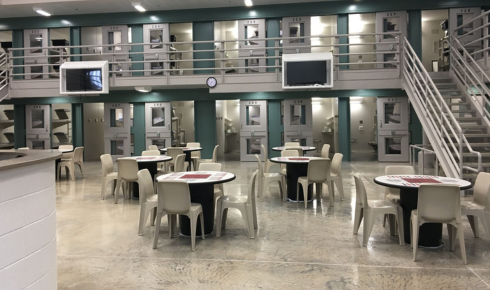
Correctional construction has shifted as agencies look for faster delivery, predictable quality, and long-term flexibility. Facility planners now weigh modular jails against traditional cast-in-place builds with closer scrutiny than ever before. Understanding how these approaches differ helps decision-makers align schedules, budgets, and operational goals more effectively.
Modular Builds Go up Faster than Cast-in-place Timelines
Speed remains one of the clearest differences between modular jails and cast-in-place facilities. Modular units are fabricated in parallel with site preparation, allowing construction and groundwork to move forward at the same time. Once delivered, these units are set and connected rather than built piece by piece on site. Traditional cast-in-place construction follows a linear sequence that slows overall progress. Foundations, forms, pours, curing, and inspections all happen in order, often extending timelines. Cornerstone detention equipment contractors often see modular schedules compress months of work into weeks once site readiness is achieved.
Factory-controlled Construction Improves Consistency
Modular jail components are built in factory-controlled environments where temperature, materials, and workmanship are closely managed. This controlled setting produces uniform wall thicknesses, consistent reinforcement placement, and repeatable finishes across all units.
Cast-in-place facilities depend heavily on field conditions and crew variability. Changes in weather, labor availability, or formwork can introduce inconsistencies. Cornerstone prison supply manufacturers recognize that factory production reduces these variables, leading to more predictable outcomes.
On-site Disruption Stays Lower with Modular Units
Active sites near existing facilities often face security and operational constraints. Modular jails reduce on-site disruption by limiting the duration and intensity of construction activity. Fewer workers remain on site for shorter periods, which helps maintain facility operations.
Cast-in-place builds require sustained site presence with multiple trades working simultaneously. Noise, traffic, and staging needs remain constant throughout the build. Modular delivery minimizes these impacts, a factor often valued by Cornerstone security detention equipment contractor teams working in sensitive environments.
Expansion Planning Is Easier with Repeatable Modules
Long-term planning benefits from modular repeatability. Additional housing units, medical pods, or administrative spaces can be added using the same module designs used in earlier phases. This repeatability simplifies design updates and approval processes.
Cast-in-place expansions often require redesigning structural connections and utilities to match existing construction. Modular jails allow planners to scale capacity without reengineering the entire facility. Cornerstone detention equipment contractors frequently support phased growth strategies built around this modular logic.
Weather Delays Impact Cast Builds More Often
Weather plays a major role in construction schedules. Rain, freezing temperatures, and extreme heat directly affect concrete pours and curing times in cast-in-place facilities. These delays compound over time, pushing back completion dates.
Modular fabrication occurs indoors, shielding production from weather-related interruptions. While site work can still be affected, the core structure remains on schedule. Cornerstone prison supply manufacturers often cite weather resilience as a major advantage of modular systems.
Modular Layouts Allow Phased Deployment
Phased deployment gives agencies flexibility to open sections of a facility as they are completed. Modular jails support this approach by allowing individual units or wings to become operational independently. This staged occupancy helps manage population needs sooner.
Cast-in-place construction typically requires substantial completion before occupancy. Partial use is harder to achieve safely and efficiently. Modular layouts align well with phased deployment strategies commonly supported by Cornerstone security detention equipment contractor teams.
Quality Checks Happen Before Delivery to Site
Quality assurance begins earlier in modular construction. Units undergo inspections, testing, and verification before leaving the factory. This front-loaded quality control identifies issues before they reach the site.
In cast-in-place builds, quality checks occur incrementally throughout construction, sometimes after components are already embedded. Correcting issues at that stage can be time-consuming. Modular jails benefit from early verification supported by Cornerstone detention equipment contractors focused on compliance and durability.
Cast Facilities Require Longer Labor Schedules
Labor demands differ significantly between the two methods. Cast-in-place facilities rely on extended on-site labor from multiple trades working over long periods. Scheduling conflicts and labor shortages can slow progress.
Modular construction shifts much of the labor to factory settings with stable crews and predictable workflows. On-site labor focuses mainly on installation and integration. Cornerstone prison supply manufacturers often highlight this efficiency when comparing total labor exposure.
Modular Systems Reduce Rework During Installation
Rework is costly in any construction project. Modular systems reduce rework by standardizing components and verifying fit before shipment. Connections, openings, and tolerances are established early, limiting surprises during installation.
Cast-in-place construction may reveal alignment or coordination issues only after multiple elements are set. Correcting these issues adds time and expense. Modular jails reduce these risks through repeatable designs commonly implemented by Cornerstone security detention equipment contractor teams.
Facility delivery methods shape long-term performance as much as initial schedules. Cornerstone provides detention equipment expertise, modular construction solutions, and integrated planning services that help facilities achieve faster delivery, consistent quality, and adaptable growth without compromising security or durability.