
How Do Concrete Contractors in Huntsville AL Prevent Cracking in High-Traffic Areas?
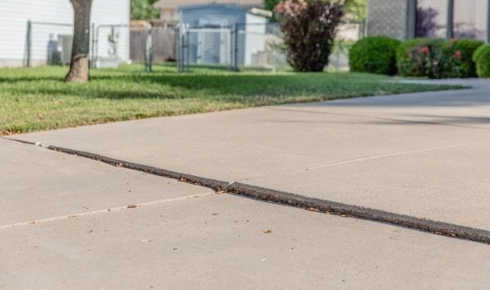
Strong concrete surfaces hold up far better when the groundwork and mix choices are handled with intention. High-traffic zones such as driveways, commercial lots, and walkways in Huntsville AL face constant pressure that exposes weak spots quickly. Concrete contractors use a mix of planning, reinforcement, and environmental timing to keep cracking from spreading across these busy surfaces.
Using Reinforced Mesh to Strengthen High-stress Zones
Reinforced mesh gives concrete its backbone. These steel grids distribute weight across a wider area, reducing stress on any single point. Concrete contractors in Huntsville AL often install mesh in driveways, loading areas, and heavy-use walkways because these locations take repetitive pressure from vehicles and foot traffic. The mesh acts as a stabilizer, preventing the slab from flexing and reducing the likelihood of cracks caused by uneven loads. Mesh reinforcement also helps concrete maintain integrity when the soil beneath it shifts or settles. Expansive soils and moisture changes challenge the slab’s ability to stay level. By tying the concrete together internally, the mesh keeps fractures from forming under stress. Many concrete companies near me rely on reinforced mesh to help slabs maintain long-term durability in these demanding conditions.
Adding Control Joints to Direct Where Cracking Occurs
Concrete naturally attempts to crack as it cures and reacts to temperature shifts. Control joints act as planned weak points where the slab can shrink or expand without causing damage. Concrete contractors place joints at precise intervals to help manage stress and avoid unpredictable cracking across the surface.
These joints become even more important in high-traffic areas. Without them, cracks form in random locations and widen as vehicles repeatedly apply pressure. Well-placed joints guide movement and prevent wandering cracks that compromise the slab’s appearance and performance. Many concrete contractors near me rely on proper joint spacing to create stable and predictable surfaces.
Selecting Mixes with Proper Water-Cement Ratios
The water-cement ratio sets the stage for strength. Too much water weakens the structure, while too little prevents proper hydration. Concrete companies in Huntsville AL frequently refine mix proportions based on the specific demands of high-traffic sites. Stronger mixes with well-balanced ratios offer better resistance to environmental pressures and mechanical stress.
Mix selection affects durability for years to come. A well-calibrated blend reduces shrinkage, improves density, and creates a tighter surface that resists cracking. Concrete contractors consider load expectations, exposure levels, and temperature conditions before deciding on the ideal ratio, producing a finished product that holds up under daily wear.
Scheduling Concrete Pours When Temperatures Are Ideal
Temperature affects curing speed, moisture loss, and overall strength. Pouring concrete during extreme heat accelerates evaporation, while cold conditions slow hydration. Concrete contractors in Huntsville AL monitor weather conditions closely to choose the most stable window for pouring, especially for areas that must tolerate heavy traffic. Timing becomes even more important when large surfaces are involved. Early-morning or mild-weather pours allow concrete to set at a steady pace, reducing internal stress. This careful scheduling prevents rapid surface drying and uneven curing, two common causes of premature cracking in driveways and commercial slabs. It’s one of the many reasons cement contractors near me follow strict timing standards before committing to a pour.
Compacting Subgrade to Eliminate Settling and Voids
The ground beneath the slab plays a major role in long-term performance. Loose soil or pockets of air create instability that eventually leads to fractures. Concrete contractors compact the subgrade thoroughly to create a firm, uniform foundation before placing any concrete.
Proper compaction also prevents slabs from sinking under repeated traffic loads. Once vehicles begin using the surface, any weak spots become obvious quickly. Addressing the soil before construction avoids uneven settling that leads to costly concrete repair near me searches later on.
Applying Curing Sealers That Slow Rapid Moisture Loss
Concrete needs time to hydrate fully. Curing sealers help retain moisture, allowing the slab to strengthen without surface shrinkage. High-traffic areas benefit greatly from proper curing because the added strength helps resist early cracking and heavy pressure.
Different sealers offer different benefits, but all aim to slow evaporation during the first days of curing. This controlled process gives the concrete time to reach its maximum durability. Residential concrete contractors near me often apply curing sealers immediately after finishing to protect surfaces intended for cars, equipment, or constant pedestrian use.
Installing Expansion Joints Around Fixed Structures
Fixed structures such as walls, curbs, or drainage fixtures restrict natural slab movement. Expansion joints create a buffer that absorbs these shifts, protecting both the slab and the adjoining structure. Without expansion joints, the concrete pushes against immovable surfaces and forms cracks at the contact point.
These joints are especially useful for parking pads, patio borders, and large walkways that experience frequent temperature swings. The joints allow each section to expand or contract without strain. For this reason, many concrete companies in Huntsville AL incorporate strategic expansion joints into their plans to preserve the stability of each slab.
Adjusting Reinforcement Based on Expected Traffic Load
Different areas require different reinforcement strategies. A residential walkway does not face the same demands as a driveway supporting trucks or delivery vehicles. Concrete contractors adjust rebar size, spacing, and placement depending on how much weight the surface must bear.
Load-based reinforcement helps prevent deep structural cracks. As weight increases, reinforcement becomes essential to maintaining slab integrity. This tailored approach means concrete contractors near me can build surfaces that hold up under the exact conditions they are designed for.
Using Fiber Additives to Improve Internal Tensile Strength
Fiber additives disperse throughout the mix, forming tiny reinforcements that help resist cracking from within. These fibers strengthen the slab at a micro level, reducing shrinkage cracks and increasing impact resistance. Concrete companies often use fibers in high-performance mixes intended for demanding traffic zones. Their benefits become noticeable early in the curing process. Fibers limit surface fractures and improve the slab’s ability to withstand heavy use, temperature changes, and vibration. Surfaces built with fiber-enhanced mixes hold up well in both residential and commercial settings. Legacy Outdoor Services offers solutions designed to support high-traffic demands through expert concrete reinforcement techniques.