Blog

  • Advanced Composites for Drones: Boosting Performance with Innovative Materials

    Advanced Composites for Drones: Boosting Performance with Innovative Materials

    The rapid evolution of unmanned aerial technology has transformed industries ranging from agriculture and defense to cinematography and logistics. At the core of this advancement lies the development of composites for drones that deliver exceptional strength, lightweight performance, and durability. As drone applications expand, manufacturers are increasingly turning to high-performance composite solutions to meet demanding operational requirements.

    Why Composites Matter in Modern Drone Engineering

    Drones, also known as UAVs (Unmanned Aerial Vehicles) and UAS (Unmanned Aircraft Systems), require materials that can withstand high stress while remaining lightweight. Traditional materials like aluminum and steel often add unnecessary weight, reducing flight time and maneuverability. This is where UAV composites play a vital role.

    Composite materials combine two or more distinct components—typically fibers and a resin matrix—to create a product that outperforms individual materials. Carbon fiber-reinforced polymers (CFRP), fiberglass, and aramid fibers are commonly used in drone manufacturing. These materials provide high tensile strength, corrosion resistance, and reduced maintenance needs.

    Key Benefits of UAS Composite Materials

    The use of UAS composite materials offers several advantages:

    • Weight Reduction: Lightweight structures extend battery life and improve payload capacity.
    • High Strength-to-Weight Ratio: Ensures structural integrity during high-speed maneuvers.
    • Corrosion Resistance: Ideal for harsh environments such as coastal or agricultural zones.
    • Design Flexibility: Allows engineers to create aerodynamic and complex shapes.

    These benefits directly impact drone performance, enabling longer flight times and improved operational efficiency.

    The Role of UAV Prepregs in Manufacturing

    One of the most advanced forms of composite materials used in drone production is UAV prepregs. Prepregs are pre-impregnated fibers combined with a precise amount of resin, offering consistent quality and optimized mechanical properties. They simplify the manufacturing process while ensuring superior strength and uniformity.

    Prepreg technology allows manufacturers to maintain tight control over fiber orientation and resin distribution. This leads to enhanced stiffness, impact resistance, and fatigue performance. In high-performance drones used for surveillance or military applications, prepregs provide the reliability required for critical missions.

    Moreover, prepregs support automated manufacturing processes, reducing production time and labor costs. This scalability is crucial as commercial drone demand continues to grow worldwide.

    Snap Cure Composites: Speed Meets Strength

    As production timelines become tighter, manufacturers are adopting snap cure composites to accelerate fabrication. Snap cure technology enables composite materials to cure at significantly faster rates without compromising mechanical properties.

    Traditional composite curing processes can take several hours. Snap cure systems dramatically reduce this time, sometimes curing within minutes under controlled heat and pressure. This innovation increases throughput and supports mass production of drone components such as wings, fuselages, and propeller arms.

    Faster curing also lowers energy consumption and overall manufacturing costs. For companies seeking rapid product development cycles, snap cure composites provide a competitive advantage.

    Applications Across Drone Categories

    Composite materials are now standard across various drone types:

    • Commercial Delivery Drones: Require lightweight frames for extended range.
    • Agricultural Drones: Benefit from corrosion-resistant composite structures.
    • Military UAVs: Depend on high-strength materials for durability and stealth performance.
    • Industrial Inspection Drones: Need rigid yet lightweight arms for stable imaging.

    In each case, advanced composite solutions contribute directly to improved flight dynamics, safety, and operational efficiency.

    Future Trends in Drone Composite Technology

    The future of drone engineering will continue to be shaped by material innovation. Researchers are exploring nano-reinforced composites, recyclable resins, and hybrid fiber systems to further enhance performance. Sustainability is also becoming a priority, with eco-friendly resins and recyclable fibers gaining attention.

    Automation and digital manufacturing technologies, such as automated fiber placement (AFP) and robotic layup systems, are improving precision and reducing waste. Combined with advanced curing technologies, these innovations are redefining how drone structures are designed and produced.

    Conclusion

    The growing reliance on unmanned systems across industries underscores the importance of advanced materials. From lightweight airframes to high-speed production techniques, composite innovations are driving the next generation of drone technology. By integrating high-performance materials such as prepregs and snap cure systems, manufacturers can deliver stronger, lighter, and more efficient drones capable of meeting modern demands.

    As drone capabilities expand, the role of composite engineering will remain central—ensuring that performance, durability, and efficiency continue to soar to new heights.
  • When a Motorcycle Accident Affects Your Career: Protecting Income After a Dallas Crash

    When a Motorcycle Accident Affects Your Career: Protecting Income After a Dallas Crash

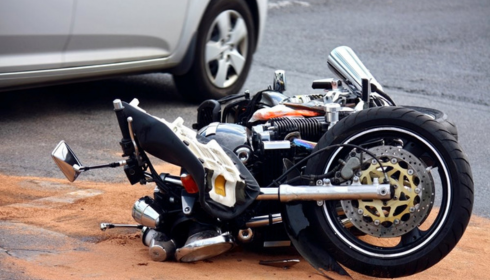
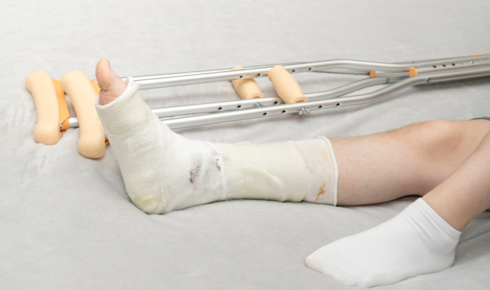
    For many riders in Dallas, a motorcycle is more than transportation—it’s part of daily life. But when an accident causes serious injury, the impact often extends beyond physical recovery. One of the most overlooked consequences of a motorcycle crash is how it can disrupt a person’s career and long-term earning potential.

    Lost income is not limited to missed paychecks during recovery. In severe cases, injuries may permanently affect the type of work you can perform. Understanding how these financial losses are evaluated under Texas law is essential for protecting your future. A Dallas Motorcycle Accident Attorney can help ensure that income-related damages are fully assessed before any settlement is finalized.

    Immediate Income Loss After a Crash

    In the days and weeks following a motorcycle accident, many victims are unable to return to work. This may be due to:

    • Hospitalization
    • Surgery
    • Mobility limitations
    • Pain management
    • Doctor-imposed work restrictions

    Lost wages during this period are considered economic damages and can typically be documented through pay stubs, tax returns, and employer verification.

    When Injuries Affect Long-Term Employment

    Some motorcycle accidents result in lasting limitations. Riders may face:

    • Reduced physical strength
    • Chronic pain
    • Limited mobility
    • Cognitive impairments
    • Permanent disability

    If injuries prevent returning to the same job or career field, compensation may include loss of future earning capacity.

    For example:

    • A construction worker with a spinal injury may no longer perform physically demanding labor.
    • A delivery driver with limited mobility may be unable to continue driving.
    • A professional with a traumatic brain injury may struggle with concentration or memory.

    These changes can significantly impact lifetime income.

    Calculating Future Earning Capacity

    Determining loss of earning capacity involves more than estimating missed paychecks. It may require:

    • Reviewing employment history
    • Evaluating skills and education
    • Consulting vocational experts
    • Projecting future income growth
    • Assessing retirement contributions

    Accurate calculation is critical. Accepting a settlement without fully understanding long-term employment impact can result in financial hardship years later.

    Texas Comparative Fault Considerations

    Texas follows a modified comparative fault rule. If a rider is found 50% or less responsible for the accident, compensation may still be recovered—but it will be reduced by the assigned percentage of fault.

    Insurance companies may attempt to argue partial responsibility to lower the overall payout. Clear documentation of how the accident occurred and how injuries affected employment helps protect against reduced compensation.

    Non-Economic Career Impact

    Beyond financial losses, career disruption can affect:

    • Professional identity
    • Advancement opportunities
    • Job satisfaction
    • Workplace relationships

    While harder to measure, these losses may contribute to pain and suffering damages in a motorcycle accident claim.

    The Importance of Medical Documentation

    If injuries limit your ability to work, consistent medical documentation is essential. Doctors’ notes, functional capacity evaluations, and rehabilitation records can demonstrate:

    • Physical restrictions
    • Cognitive limitations
    • Permanent impairment ratings

    These records strengthen claims for both current and future income loss.

    Avoiding Early Settlement Mistakes

    Insurance companies may offer quick settlements before the full impact on employment becomes clear. Early offers often fail to account for:

    • Long-term career changes
    • Reduced earning trajectory
    • Ongoing treatment
    • Workplace accommodations

    Once a settlement is accepted, additional compensation is typically not available—even if future complications arise.

    For riders concerned about how a crash may affect their professional future, consulting a Dallas Motorcycle Accident Attorney can provide clarity on how income-related damages are calculated and pursued.

    Protecting Your Financial Future

    A motorcycle accident can change more than your physical health—it can reshape your career path. Compensation is not just about covering medical bills; it’s about preserving long-term stability.

    By carefully evaluating both immediate and future income losses, injured riders can pursue recovery that reflects the true impact of the accident.

    Moving Forward With Financial Awareness

    If your motorcycle accident in Dallas has disrupted your ability to work, understanding your legal options is essential. Early planning, thorough documentation, and strategic evaluation can help ensure that your career-related losses are properly addressed.

    Protecting your livelihood is just as important as healing physically—and taking informed action today can help secure your professional future tomorrow.

  • How Orthopedic Sports Medicine Tackles Fractures and Ligament Tears Without Delay

    How Orthopedic Sports Medicine Tackles Fractures and Ligament Tears Without Delay

    Sudden injuries can change an athlete’s season in a single moment. A sharp twist, a hard fall, or a direct hit may leave a player unable to stand or move without pain. Orthopedic sports medicine focuses on fast, accurate care so fractures and ligament tears receive attention before they worsen.

    Quick Scans Catch Broken Bone Lines Before They Shift

    Fast imaging plays a key role in treating fractures. X-rays and other scans reveal small cracks in bone that may not be obvious at first glance. A sports medicine doctor uses these tools to confirm the exact location and angle of the break before the bone has a chance to shift further out of alignment. Early detection matters because bone fragments can move with normal activity.

    Once a fracture shifts, it may require more complex treatment. By identifying the break quickly, a sports medicine doctor near me can stabilize the area and reduce the risk of complications that delay healing. Accurate scans also help determine whether surgery is needed or if the bone can heal with casting or bracing. Each image guides the next step. Acting quickly helps preserve proper alignment and keeps recovery on track.

    Imaging Guides Precise Care for Torn Soft Tissues

    Ligament tears often hide beneath swelling and bruising. MRI scans and advanced imaging allow a sports medicine doctor to see inside the joint and assess the severity of the tear. Clear images show whether fibers are stretched, partially torn, or fully ruptured.

    That level of detail changes the treatment plan. A mild sprain may heal with rest and therapy, while a complete tear may require surgical repair. Orthopedic sports medicine relies on imaging to avoid guesswork and choose the safest path forward. Soft tissue injuries can worsen if ignored. Early imaging prevents repeated stress on unstable joints. Quick answers help athletes avoid further damage during the early days after injury.

    Bracing Supports Healing While Motion Stays Safe

    Stability does not always mean complete rest. Modern braces support injured bones and ligaments while allowing controlled movement. A sports medicine doctor selects braces based on the joint involved and the type of injury. Bracing limits harmful motion but still encourages gentle activity. Keeping muscles engaged prevents stiffness and weakness. That balance supports recovery without placing stress on fragile tissue. Protective support also gives athletes confidence. Knowing the joint is stabilized reduces fear of reinjury. This mental comfort can make a real difference in early rehabilitation stages.

    Early Repair Keeps Joints Stable for Activity

    Severe ligament tears can leave joints unstable. Without proper repair, the joint may give way during simple movements. Orthopedic sports medicine focuses on restoring stability as soon as possible to protect cartilage and surrounding tissue.

    Surgical repair may involve reattaching torn ligaments or reconstructing them using grafts. Early intervention helps preserve joint alignment and function. Delaying repair can increase the risk of long-term instability and arthritis.

    Restoring structure early improves the chances of a full return to activity. Stability protects both performance and long-term joint health.

    Bone Resets Done Right Cut Risk of Future Pain

    Realigning a fractured bone requires skill and careful technique. A sports medicine doctor may perform a closed reduction, gently guiding the bone back into place without open surgery. Precision matters to ensure smooth healing.

    Proper alignment reduces the risk of uneven bone growth. Misaligned healing can lead to chronic pain and limited motion. Careful repositioning supports a stronger, straighter recovery.

    Once aligned, the bone must remain secure. Casting, bracing, or surgical hardware holds the reset in place while natural healing takes over.

    Ligament Support Restores Strength After Injury

    Repaired ligaments need structured rehabilitation to regain strength. Orthopedic sports medicine combines medical treatment with physical therapy to rebuild stability. Exercises focus on balance, coordination, and muscle control.

    Rehabilitation strengthens surrounding muscles to support the healing ligament. Gradual progression prevents overload. A sports medicine doctor near me often works closely with therapists to adjust exercises as healing advances.

    Regaining strength takes time, but guided therapy helps avoid setbacks. Consistent follow-through ensures the joint can handle future stress.

    Targeted Therapy Limits Swelling and Loss of Motion

    Swelling can restrict motion and slow healing. Early therapy includes techniques to reduce inflammation, such as compression, elevation, and controlled movement. Quick action prevents stiffness from setting in.

    Therapists guide patients through safe range-of-motion exercises. Gentle motion keeps joints flexible while tissues recover. This approach reduces scar tissue buildup that can limit mobility later.

    Active care shortens recovery time. Addressing swelling early protects both comfort and function.

    Follow-up Checks Track Recovery Every Step

    Healing does not end after initial treatment. Regular follow-up visits allow a sports medicine doctor to monitor progress. Imaging may be repeated to confirm proper bone healing or ligament repair.

    These check-ins catch small problems before they grow. Adjustments to bracing or therapy can be made based on progress. Careful tracking supports steady improvement.

    Consistent monitoring reassures athletes that recovery is moving in the right direction. Clear milestones help set realistic expectations.

    Tailored Plans Get Athletes Back Without Needless Delay

    No two injuries are identical. Orthopedic sports medicine develops personalized plans based on the athlete’s sport, age, and goals. A runner, for example, may need different conditioning than a football player. Customized timelines balance safety with performance. Returning too early can undo weeks of healing. Waiting too long can weaken muscles and confidence.

    A sports medicine doctor near me works to find that balance. Structured plans help athletes return to training without unnecessary delay while protecting long-term health.

    Athletes seeking focused orthopedic sports medicine care benefit from an approach built on accurate diagnosis and structured recovery. Advanced imaging, careful treatment, and consistent follow-up help ensure fractures and ligament tears heal properly. Through steady guidance and individualized planning, Dr Boyett supports patients as they regain strength, stability, and confidence in their return to activity.

  • How to Handle a Wrong Transaction and File a Complaint for Fraud Transaction

    How to Handle a Wrong Transaction and File a Complaint for Fraud Transaction

    In today’s fast-paced digital world, online banking and UPI payments have become a staple. But with convenience comes risk — and one of the most frustrating experiences is accidentally transferring money to the wrong account or falling victim to a fraud transaction. Whether due to human error or cybercrime, a Wrong transaction can feel like a nightmare.

    This article will walk you through the steps to handle such situations, how to file a complaint, and what precautions you should take in the future.


    What is a Wrong or Fraud Transaction?

    A wrong transaction refers to the accidental transfer of money to an unintended account. This could be due to entering an incorrect account number, UPI ID, or IFSC code. On the other hand, a fraud transaction is one where money is taken from your account without your consent — often due to phishing, scams, or identity theft.

    Common Examples:

    • Sending money to a mistyped UPI ID.
    • Transferring funds to the wrong beneficiary during net banking.
    • Unauthorized debit due to phishing, fake apps, or calls pretending to be from your bank.
    • SIM swap or OTP fraud leading to account access.

    Immediate Steps to Take After a Wrong or Fraud Transaction

    1. Don’t Panic, But Act Fast

    Time is critical. The earlier you act, the better your chances of recovering your money.

    2. Contact Your Bank or Payment App

    Call your bank’s customer care immediately and explain the situation. Note down the complaint or ticket number for future reference. Apps like Google Pay, PhonePe, and Paytm have dedicated sections to report unauthorized transactions.

    3. Report the Incident via Official Channels

    File a complaint through:

    • Your bank’s branch or grievance redressal portal.
    • NPCI’s official dispute redressal system (for UPI issues).
    • Cybercrime portal: https://cybercrime.gov.in
    • National Helpline Number for Cyber Fraud: 1930

    How to File a Complaint for Fraud Transaction

    Filing a complaint for fraud transaction is easier now with dedicated online portals and helplines. Here’s how you can proceed:

    A. Using Bank Channels:

    • Log in to net banking or mobile app and go to the “Dispute/Report” section.
    • Submit the details of the transaction — date, time, amount, transaction ID, and the reason for your complaint.
    • Follow up via email or phone.

    B. Using the Cybercrime Portal:

    • Visit https://cybercrime.gov.in
    • Select “Report Cyber Crime Related to Financial Fraud”
    • Fill in your details, upload transaction proof/screenshots, and submit your complaint.

    C. File an FIR (if necessary):

    In severe cases, especially involving large sums or identity theft, filing an FIR at your local police station adds legal strength to your complaint.


    Can You Get Your Money Back?

    Yes, but it’s not guaranteed. Recovery depends on:

    • How fast you report it.
    • Whether the wrong recipient agrees to return the funds (in case of wrong transaction).
    • If the fraudster has already withdrawn or transferred the money further.
      Banks and apps will try to freeze the amount if reported immediately, especially in UPI transfers.

    Tips to Avoid Future Mistakes

    • Double-check account numbers and UPI IDs before confirming transactions.
    • Avoid sharing OTPs, PINs, or passwords with anyone.
    • Do not click on suspicious links or download unknown apps.
    • Use official bank apps only.
    • Enable SMS/email alerts for all transactions.

    Final Thoughts

    Mistaken or fraudulent transactions can be stressful, but you’re not helpless. Act swiftly, file proper complaints, and ensure all steps are documented. Prevention, however, is the best cure — so stay alert while making payments online.

  • Ethical Jewelry: The Benefits of Choosing Lab-Grown Diamonds

    Ethical Jewelry: The Benefits of Choosing Lab-Grown Diamonds

    In recent years, the demand for sustainable engagement rings has grown significantly, as consumers are becoming increasingly conscious of the ethical and environmental impacts of their purchases. One of the most compelling ways to make a responsible choice in jewelry is by opting for lab-grown diamonds. These diamonds provide the same brilliance, durability, and beauty as mined diamonds but with far fewer ethical and environmental concerns. Choosing lab-grown diamonds allows individuals to enjoy exquisite jewelry while contributing to a more sustainable and humane industry.

    Lab-grown diamonds are created using advanced technological processes that replicate the natural conditions under which diamonds form deep within the earth. This process produces diamonds that are chemically, physically, and visually identical to mined diamonds. Because they are cultivated in a controlled environment, lab-grown diamonds eliminate the need for extensive mining operations that often lead to environmental degradation, including deforestation, soil erosion, and water pollution. Additionally, lab-grown diamonds avoid the social and ethical issues associated with some mining practices, such as exploitative labor conditions and conflict financing.

    From an environmental perspective, lab-grown diamonds have a substantially lower carbon footprint compared to traditional mined diamonds. Mining operations typically consume large amounts of energy and resources, whereas producing diamonds in a laboratory setting requires significantly less water and energy overall. By choosing lab-grown diamonds, consumers can enjoy stunning jewelry while supporting practices that reduce environmental harm and promote sustainability. This aligns perfectly with the growing trend of conscious consumerism, where people actively seek products that reflect their values and commitment to a healthier planet.

    Beyond environmental benefits, lab-grown diamonds offer advantages in terms of affordability and customization. Lab-grown diamonds are often more cost-effective than their mined counterparts, allowing buyers to invest in larger or higher-quality stones for the same budget. This accessibility opens up new possibilities for creating personalized and meaningful pieces without compromising on ethical considerations. Furthermore, lab-grown diamonds can be produced in a variety of colors, sizes, and shapes, giving designers and consumers greater creative flexibility to craft unique jewelry that suits individual tastes.

    Ethical considerations extend beyond environmental and economic aspects. The traditional diamond industry has long faced scrutiny over labor exploitation and unsafe working conditions in certain regions. By choosing lab-grown diamonds, consumers can be confident that their jewelry was produced under controlled, safe, and fair conditions. This assurance provides peace of mind, especially for those who prioritize ethical consumption and wish to make purchasing decisions aligned with their values. Ethical jewelry not only represents beauty and craftsmanship but also reflects a deeper commitment to social responsibility and integrity.

    The rise of lab-grown diamonds also signifies a shift in cultural attitudes toward luxury and value. More people are recognizing that a diamond’s worth is not solely determined by its rarity but also by the ethics of its production. Consumers increasingly appreciate the story behind their jewelry and the positive impact their choices can have on the world. Selecting lab-grown diamonds allows individuals to express their style and sophistication while supporting innovation, sustainability, and responsible sourcing practices.

    In conclusion, lab-grown diamonds offer a compelling alternative for anyone seeking ethical jewelry. They combine the allure and quality of natural diamonds with significant advantages in sustainability, affordability, and ethical production. Choosing lab-grown diamonds ensures that your jewelry is not only beautiful but also aligned with values of environmental stewardship and social responsibility. As awareness of the benefits of lab-grown diamonds continues to grow, more individuals are embracing this responsible choice, transforming the way we think about luxury, beauty, and ethics in jewelry. The decision to invest in lab-grown diamonds is ultimately a statement that elegance and conscience can coexist seamlessly.

  • The Future of Plastic Bottle Recycling in India

    The Future of Plastic Bottle Recycling in India

    India’s plastic consumption has grown rapidly over the past decade, and so has the urgency to manage the waste it generates. Among the most visible and recyclable waste streams, plastic bottle recycling is emerging as a critical pillar of the country’s sustainability journey. As regulations tighten, technology advances, and consumer awareness rises, the future of plastic bottle recycling in India is moving decisively towards a more organised, circular and value-driven ecosystem.

    Why Plastic Bottle Recycling Matters More Than Ever

    Plastic bottles, largely made from PET (polyethylene terephthalate), are widely used across beverages, personal care, and household products. When unmanaged, they contribute significantly to landfill overload, marine pollution, and microplastic contamination. Effective plastic waste management ensures that these bottles are not treated as waste, but as a valuable secondary resource that can be recycled multiple times.

    Recycling PET bottles consumes up to 60% less energy compared to producing virgin plastic, while also reducing dependence on petroleum-based raw materials. This makes plastic recycling one of the most practical and scalable solutions to address both environmental and resource challenges.

    Policy Push: Regulations Shaping The Future

    Government mandates are playing a defining role in accelerating plastic bottle recycling. Under India’s Extended Producer Responsibility (EPR) framework, producers are accountable for the collection and recycling of plastic packaging. A major inflection point is the mandate requiring 30% recycled content (rPET) in new PET bottles from FY2025–26.

    This policy shift is transforming plastic bottle recycling from a compliance activity into a mainstream industrial requirement. It has significantly increased demand for food-grade recycled PET, encouraging investments in better collection, sorting, and processing infrastructure.

    Technology As A Growth Catalyst

    One of the biggest changes shaping the future of plastic bottle recycling in India is technological adoption. Advanced sorting systems, optical scanners, and AI-enabled segregation are improving material recovery rates and quality. Alongside mechanical recycling, chemical recycling technologies are enabling the breakdown of PET into its molecular components, allowing the production of high-quality, food-grade rPET.

    These advancements are helping overcome long-standing issues related to contamination and inconsistent quality – key challenges in plastic recycling at scale.

    Corporate Commitment and Market Expansion

    Corporate sustainability goals are further strengthening the recycling ecosystem. Leading FMCG, beverage, and electronics brands are actively integrating recycled plastic into packaging and products to reduce carbon footprints and meet ESG commitments. This has opened up growing downstream markets for recycled PET, not just in packaging, but also in textiles, where rPET is widely used in polyester fibres, apparel and industrial fabrics.

    As demand for recycled materials increases, plastic bottle recycling is creating new economic opportunities across the value chain – from waste collection and aggregation to processing and manufacturing.

    Opportunities and Challenges Ahead

    The opportunities are significant. Plastic bottle recycling supports resource conservation, reduces landfill burden, creates employment and strengthens local recycling economies. However, challenges remain. Collection and source segregation systems need to improve, particularly in Tier II and Tier III cities. Public awareness and participation are equally critical to ensure clean, recyclable feedstock reaches processing plants.

    Addressing these gaps will determine how effectively India can scale its plastic waste management efforts in the coming years.

    The future of plastic bottle recycling in India is no longer experimental, it is structural. With stricter regulations, better technology and rising demand for recycled content, plastic recycling is becoming an essential part of India’s industrial and environmental strategy.

    In this evolving landscape, integrated recyclers that operate across materials and processes are playing an increasingly important role. Companies such as Jain Metal Group, known for large-scale metal recycling, are extending circular economy principles across material streams by recovering and reprocessing plastics generated during industrial recycling operations. Such approaches demonstrate how plastic bottle recycling can be embedded within broader, resource-efficient systems, thereby supporting India’s transition towards a cleaner, more circular future.

    As innovation, regulation, and collaboration converge, plastic bottle recycling is set to move from the margins to the mainstream, reshaping how India manages waste and values resources.

  • How Do Modular Jails Compare to Traditional Cast-In-Place Facilities?

    How Do Modular Jails Compare to Traditional Cast-In-Place Facilities?

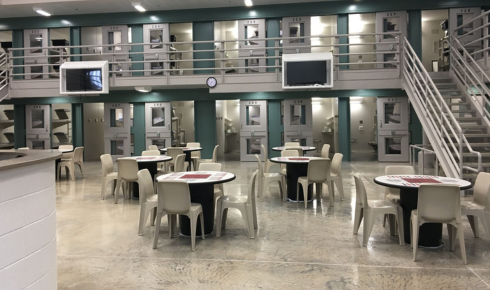
    Correctional construction has shifted as agencies look for faster delivery, predictable quality, and long-term flexibility. Facility planners now weigh modular jails against traditional cast-in-place builds with closer scrutiny than ever before. Understanding how these approaches differ helps decision-makers align schedules, budgets, and operational goals more effectively.

    Modular Builds Go up Faster than Cast-in-place Timelines

    Speed remains one of the clearest differences between modular jails and cast-in-place facilities. Modular units are fabricated in parallel with site preparation, allowing construction and groundwork to move forward at the same time. Once delivered, these units are set and connected rather than built piece by piece on site. Traditional cast-in-place construction follows a linear sequence that slows overall progress. Foundations, forms, pours, curing, and inspections all happen in order, often extending timelines. Cornerstone detention equipment contractors often see modular schedules compress months of work into weeks once site readiness is achieved.

    Factory-controlled Construction Improves Consistency

    Modular jail components are built in factory-controlled environments where temperature, materials, and workmanship are closely managed. This controlled setting produces uniform wall thicknesses, consistent reinforcement placement, and repeatable finishes across all units.

    Cast-in-place facilities depend heavily on field conditions and crew variability. Changes in weather, labor availability, or formwork can introduce inconsistencies. Cornerstone prison supply manufacturers recognize that factory production reduces these variables, leading to more predictable outcomes.

    On-site Disruption Stays Lower with Modular Units

    Active sites near existing facilities often face security and operational constraints. Modular jails reduce on-site disruption by limiting the duration and intensity of construction activity. Fewer workers remain on site for shorter periods, which helps maintain facility operations.

    Cast-in-place builds require sustained site presence with multiple trades working simultaneously. Noise, traffic, and staging needs remain constant throughout the build. Modular delivery minimizes these impacts, a factor often valued by Cornerstone security detention equipment contractor teams working in sensitive environments.

    Expansion Planning Is Easier with Repeatable Modules

    Long-term planning benefits from modular repeatability. Additional housing units, medical pods, or administrative spaces can be added using the same module designs used in earlier phases. This repeatability simplifies design updates and approval processes.

    Cast-in-place expansions often require redesigning structural connections and utilities to match existing construction. Modular jails allow planners to scale capacity without reengineering the entire facility. Cornerstone detention equipment contractors frequently support phased growth strategies built around this modular logic.

    Weather Delays Impact Cast Builds More Often

    Weather plays a major role in construction schedules. Rain, freezing temperatures, and extreme heat directly affect concrete pours and curing times in cast-in-place facilities. These delays compound over time, pushing back completion dates.

    Modular fabrication occurs indoors, shielding production from weather-related interruptions. While site work can still be affected, the core structure remains on schedule. Cornerstone prison supply manufacturers often cite weather resilience as a major advantage of modular systems.

    Modular Layouts Allow Phased Deployment

    Phased deployment gives agencies flexibility to open sections of a facility as they are completed. Modular jails support this approach by allowing individual units or wings to become operational independently. This staged occupancy helps manage population needs sooner.

    Cast-in-place construction typically requires substantial completion before occupancy. Partial use is harder to achieve safely and efficiently. Modular layouts align well with phased deployment strategies commonly supported by Cornerstone security detention equipment contractor teams.

    Quality Checks Happen Before Delivery to Site

    Quality assurance begins earlier in modular construction. Units undergo inspections, testing, and verification before leaving the factory. This front-loaded quality control identifies issues before they reach the site.

    In cast-in-place builds, quality checks occur incrementally throughout construction, sometimes after components are already embedded. Correcting issues at that stage can be time-consuming. Modular jails benefit from early verification supported by Cornerstone detention equipment contractors focused on compliance and durability.

    Cast Facilities Require Longer Labor Schedules

    Labor demands differ significantly between the two methods. Cast-in-place facilities rely on extended on-site labor from multiple trades working over long periods. Scheduling conflicts and labor shortages can slow progress.

    Modular construction shifts much of the labor to factory settings with stable crews and predictable workflows. On-site labor focuses mainly on installation and integration. Cornerstone prison supply manufacturers often highlight this efficiency when comparing total labor exposure.

    Modular Systems Reduce Rework During Installation

    Rework is costly in any construction project. Modular systems reduce rework by standardizing components and verifying fit before shipment. Connections, openings, and tolerances are established early, limiting surprises during installation.

    Cast-in-place construction may reveal alignment or coordination issues only after multiple elements are set. Correcting these issues adds time and expense. Modular jails reduce these risks through repeatable designs commonly implemented by Cornerstone security detention equipment contractor teams.

    Facility delivery methods shape long-term performance as much as initial schedules. Cornerstone provides detention equipment expertise, modular construction solutions, and integrated planning services that help facilities achieve faster delivery, consistent quality, and adaptable growth without compromising security or durability.

  • Steps BBQ Food Trucks Use to Keep Meat Juicy During Service

    Steps BBQ Food Trucks Use to Keep Meat Juicy During Service

    Juicy barbecue does not happen by accident, especially inside the tight workspace of a food truck. Heat, time, and movement all work against moisture once meat leaves the smoker. That is why anyone searching for a BBQ food truck near me is really looking for teams that understand how to protect texture and flavor all the way through service.

    Wrapping Meat in Foil to Lock in Steam and Juices

    Foil wrapping plays a major role in moisture retention. After meats reach a certain internal temperature, wrapping helps trap steam that would otherwise escape into the air. That trapped moisture softens connective tissue and prevents the exterior from drying out during holding. Foil also creates a stable micro-environment around the meat. Inside a BBQ food truck in Huntsville AL, conditions change constantly as doors open and close. Wrapping provides insulation against those shifts, keeping barbecue juicy without continuing to cook it aggressively.

    Spritzing with Liquid to Maintain Surface Moisture

    Surface moisture affects how meat feels with each bite. Spritzing with liquid replaces moisture lost during long cook times and holding periods. Water, vinegar blends, or light broths are often used to keep the exterior from tightening up. This step also helps smoke and seasoning stay balanced. A dry surface can become tough, while a lightly spritzed surface remains flexible. Barbecue teams apply this technique carefully to avoid washing away bark or flavor.

    Cooking Low and Slow to Prevent Rapid Moisture Loss

    Low-and-slow cooking allows fat and collagen to break down gradually. High heat forces moisture out quickly, leaving meat dry before it ever reaches service. BBQ food trucks rely on steady, moderate heat to protect internal juices from the start. Time becomes an ingredient in itself. Slow cooking gives muscle fibers time to relax, allowing juices to stay where they belong. This method forms the foundation of quality BBQ across pits, trailers, and food trucks alike.

    Choosing Cuts with Good Marbling for Natural Juiciness

    Cut selection determines how forgiving the meat will be during service. Marbling provides built-in moisture that melts during cooking and continues to protect the meat afterward. Brisket, pork shoulder, and certain rib cuts perform better under extended heat. Lean cuts require extra attention and often dry faster. Experienced BBQ operators select meats that naturally support juiciness, especially when serving large crowds. That choice directly impacts what customers experience at the window.

    Resting Meat Before Slicing to Redistribute Internal Juices

    Resting meat is not optional—it is structural. After cooking, juices move toward the center of the meat. Rest time allows those juices to redistribute evenly rather than spilling out when sliced. In a food truck setting, resting often happens inside warmers or insulated holding areas. This pause stabilizes the meat, making each slice tender and moist rather than dry and crumbly.

    Avoiding Over-trimming That Removes Flavorful Fat Layers

    Fat is not waste in barbecue; it is protection. Over-trimming removes layers that shield meat from heat and hold moisture during long cooks. BBQ food trucks that prioritize juiciness leave strategic fat intact. Those layers melt gradually, basting the meat from within. Removing too much exposes muscle fibers directly to heat, accelerating moisture loss. Careful trimming strikes a balance between presentation and performance.

    Maintaining Stable Smoker Temperatures During Service

    Temperature swings are one of the fastest ways to dry out barbecue. Opening smokers too often or letting heat spike can undo hours of careful cooking. Stable smoker control keeps moisture loss predictable. Food trucks often use dampers, probes, and fire management techniques to maintain consistency. Even during service, attention stays on heat control to protect the finished product.

    Slicing to Order so Juices Stay in the Meat Longer

    Pre-slicing increases surface area, which leads to faster moisture loss. Slicing to order keeps juices inside the meat until the moment it is served. This approach preserves both texture and temperature. Customers benefit from meat that is cut fresh, not sitting exposed. That extra step takes effort, but it separates average BBQ from memorable BBQ, especially in a high-demand service environment. Keeping barbecue juicy during service requires discipline, timing, and technical skill. LawLers Barbecue supports this standard by applying proven smoking methods, careful holding practices, and service techniques that protect flavor and moisture, ensuring each serving reflects the care taken long before the truck ever opens its window.

  • When Should Homeowners Search for Window Repair Near Me Instead of Replacement?

    When Should Homeowners Search for Window Repair Near Me Instead of Replacement?

    A cracked seal or stubborn draft often raises the same question for homeowners. Windows fail in different ways, and not every problem points to a full tear-out. Knowing when repair makes more sense than replacement can protect comfort, control costs, and extend the life of existing windows.

    Frames Are Solid but Seals Have Failed

    Strong window frames are the backbone of long-lasting performance. When wood, vinyl, or aluminum frames remain square and free from rot or warping, a failed seal alone does not justify removal. Seal failure typically shows up as drafts, moisture intrusion, or slight temperature swings near the glass.

    In these cases, repair focuses on resealing or replacing the insulated glass unit while keeping the original frame intact. This approach restores energy efficiency without disturbing interior trim or exterior finishes. Homeowners often begin searching for window repair near me after realizing the structure itself is still dependable.

    Glass Has Minor Chips or Surface Cracks

    Small chips along the edge of glass or shallow surface cracks rarely weaken the entire window. These flaws often come from debris impact, lawn equipment, or temperature stress. While they look concerning, many remain stable for years if addressed early. Specialized repair methods can stabilize the damaged area and prevent spreading. Replacement becomes unnecessary unless the crack compromises safety or visibility. Situations like this help explain why targeted repair can outperform window replacement in Huntsville AL for minor damage.

    Fogging Occurs Between Panes Only

    Fogging trapped between panes signals a broken seal in double- or triple-pane windows. The glass itself usually remains intact, but the insulating gas has escaped. This condition affects appearance and efficiency without harming the frame.

    Repair options include replacing the insulated glass unit while preserving the surrounding structure. That restores clarity and thermal performance at a lower cost than full window installation in Huntsville AL. Fogging alone does not mean the entire window has reached the end of its life.

    Tracks or Rollers Need Simple Adjustment

    Windows that stick, scrape, or refuse to slide smoothly often suffer from track or roller issues. Dirt buildup, worn rollers, or misalignment can cause resistance even when the window frame remains true. Adjusting or replacing these components returns smooth operation without replacing glass or frames. Many homeowners are surprised to learn that movement problems are mechanical, not structural. This is another common reason people search for window repair near me rather than committing to replacement.

    Weatherstripping Has Worn but Frames Are Intact

    Weatherstripping acts as the barrier between indoor comfort and outdoor conditions. Over time, it compresses, cracks, or pulls away from the frame. Drafts and rising energy bills follow, even though the window itself remains sound. Replacing weatherstripping is a straightforward repair that restores insulation and reduces noise. It avoids unnecessary removal and preserves the original window design. In many homes, this single fix eliminates the need for window replacement in Huntsville AL.

    Locks and Hardware Fail but Glass Isn’t Damaged

    Locks, latches, and handles experience frequent use and eventually wear out. Failure here affects security and ease of use, not window integrity. Glass and frames can remain perfectly functional despite faulty hardware.

    Hardware replacement restores safety and operation without disturbing the window assembly. This targeted solution costs less and avoids the disruption of full replacement. It is often overlooked when homeowners assume broken locks require new windows.

    Condensation Is Limited to a Small Area

    Localized condensation may come from indoor humidity or minor airflow issues rather than window failure. Bathrooms, kitchens, and laundry areas often create moisture patterns that collect on cooler glass surfaces.

    Addressing ventilation or resealing small gaps can resolve the issue. Replacement becomes unnecessary when condensation does not persist across the entire window. Understanding this distinction prevents premature investment in window installation in Huntsville AL.

    Noise Reduction Needs Improvement Without Replacing Glass

    Outside noise does not always require new windows to solve. Gaps around frames, worn seals, or loose components allow sound to travel indoors. These weak points can be corrected through sealing and adjustment.

    Improving sound control through repair preserves the existing glass while enhancing comfort. This approach appeals to homeowners who want quieter interiors without the cost of window replacement in Huntsville AL.

    Only a Single Pane Shows Issues in a Multi-pane Unit

    Multi-pane windows often experience isolated problems. One pane may crack, fog, or lose its seal while the rest remain functional. Replacing the entire unit in this situation wastes materials and money.

    Selective glass replacement addresses the problem pane while maintaining the original frame and design. It delivers reliable performance without altering the home’s appearance. Many professionals recommend this option before suggesting full replacement.

    For homeowners weighing repair against replacement, professional evaluation matters. Huntsville Glass can assess window conditions, recommend practical solutions, and perform precise repairs that restore performance while avoiding unnecessary replacement whenever possible.

  • Benefits of Addressing Foundation Cracks Early

    Benefits of Addressing Foundation Cracks Early

    Subtle changes around a home often signal deeper structural shifts long before obvious damage appears. A faint line along a wall or a hairline split near the base can seem harmless, yet these early signs usually reflect movement beneath the surface. Addressing foundation cracks early allows those small warnings to be corrected before they reshape how the entire structure carries weight and resists pressure.

    Keeps Minor Movement from Stressing Load-bearing Areas

    Small foundation cracks often form where the structure experiences slight movement from soil changes or settling. Left alone, that movement does not stay isolated. Over time, stress transfers upward into load-bearing walls, beams, and columns that were not designed to flex repeatedly. Early attention limits that stress before it spreads into framing systems that support floors and roofs. Another overlooked issue is how minor movement affects alignment. As sections of the foundation shift, framing members can begin carrying uneven loads. This imbalance slowly weakens connection points and fasteners. Homeowners searching for a foundation specialist near me often discover that early crack repair prevents these internal stresses from becoming structural repairs that affect multiple areas of the home.

    Prevents Soil Pressure from Widening Existing Gaps

    Soil constantly expands and contracts with moisture changes. Once a crack forms, surrounding soil pressure naturally pushes against that weak point. Each cycle of wet and dry conditions encourages the gap to widen, even if the home itself is otherwise stable.

    Stopping this process early reduces how much force the soil can apply to the foundation wall. Sealing and stabilizing cracks blocks moisture entry and limits expansion behind the structure. Many foundation repair contractors focus on early intervention because it halts the mechanical pressure that turns narrow cracks into costly structural failures.

    Reduces Risk of Uneven Floors Developing over Time

    Uneven floors rarely appear overnight. They develop gradually as the foundation settles unevenly or shifts along cracked sections. Early crack repair helps maintain consistent support beneath floor joists and slabs, keeping walking surfaces level and predictable.

    As cracks widen, even slight drops in support can create noticeable dips or slopes inside the home. Furniture placement becomes difficult, doors may stick, and flooring materials experience stress. Addressing cracks early through foundation crack repair near me services helps preserve the original floor plane and prevents progressive sagging.

    Helps Avoid Damage to Plumbing Lines near the Foundation

    Plumbing lines often run through or just above foundation walls and slabs. Small foundation cracks can allow movement that places strain on these pipes, especially rigid materials like PVC or copper. Over time, even slight shifts can lead to leaks or joint separation.

    Water leaks caused by foundation movement are costly and disruptive. They can also worsen soil instability around the home. Early foundation repair near me searches frequently lead homeowners to solutions that protect both the structure and the plumbing systems tied to it, reducing the risk of hidden water damage.

    Preserves Moisture Control Systems Around the Home

    Homes rely on moisture control features such as drainage systems, vapor barriers, and waterproof coatings to stay dry. Foundation cracks compromise these systems by creating unintended entry points for water. Even small cracks can bypass exterior protections and allow moisture to collect inside walls or crawl spaces. Moisture intrusion affects indoor air quality, encourages mold growth, and accelerates material deterioration. Early crack repair restores the integrity of moisture defenses before water has time to spread. This proactive step supports long-term durability without requiring extensive remediation later.

    Limits Exterior Siding and Brick Separation Issues

    Exterior materials depend on a stable foundation to remain aligned. As cracks expand, subtle shifts occur that pull siding, brick, or stone out of position. Gaps may form along seams, and mortar joints can weaken as movement continues.

    These exterior issues are often mistaken for surface-level problems, but they usually trace back to foundation changes. Addressing cracks early helps keep exterior finishes intact and prevents the cosmetic damage that often signals deeper structural concerns. Foundation repair contractors regularly see how early action protects both appearance and structure.

    Supports Consistent Weight Distribution Across the Structure

    A foundation’s primary role is to distribute the weight of the home evenly into the ground. Cracks interrupt that process by creating weak zones where weight transfers unevenly. Over time, this imbalance increases stress on certain areas while reducing support in others.

    Early repairs restore uniform load transfer before imbalance affects the rest of the structure. Consistent weight distribution helps maintain stable walls, ceilings, and rooflines. Homeowners seeking a foundation specialist near me often learn that early crack correction preserves structural balance without invasive reconstruction.

    Prevents Pests from Entering Through Foundation Openings

    Foundation cracks provide easy access for insects and small animals. Ants, termites, rodents, and other pests exploit even narrow openings to reach interior spaces. Once inside, they can damage insulation, wiring, and wood framing.

    Sealing cracks early eliminates these entry points before infestations begin. This preventive step reduces the need for pest control and protects interior building materials. Addressing cracks early through foundation crack repair near me options keeps the home better sealed against unwanted intruders.

    Structural issues rarely improve on their own, and early action often determines whether repairs remain manageable. Addressing foundation cracks early helps stop minor structural changes from turning into widespread damage, and Kennedy and Sons focuses on identifying those problems at their earliest stages.